Is the BRAT Diet Safe? Recovery Tips for an Upset Stomach
Is Your Stomach in Knots? Here is How to Recover Quickly
brat diet flu, food poisoning, and sudden diarrhea can completely derail your day, leaving you exhausted and unable to keep anything down. Standard foods only seem to make the nausea and cramping worse, making you fear your next meal. Fortunately, you can soothe your gut and regain your energy by using targeted, bland foods that give your digestive system the exact break it needs to heal.
What is the BRAT Diet?
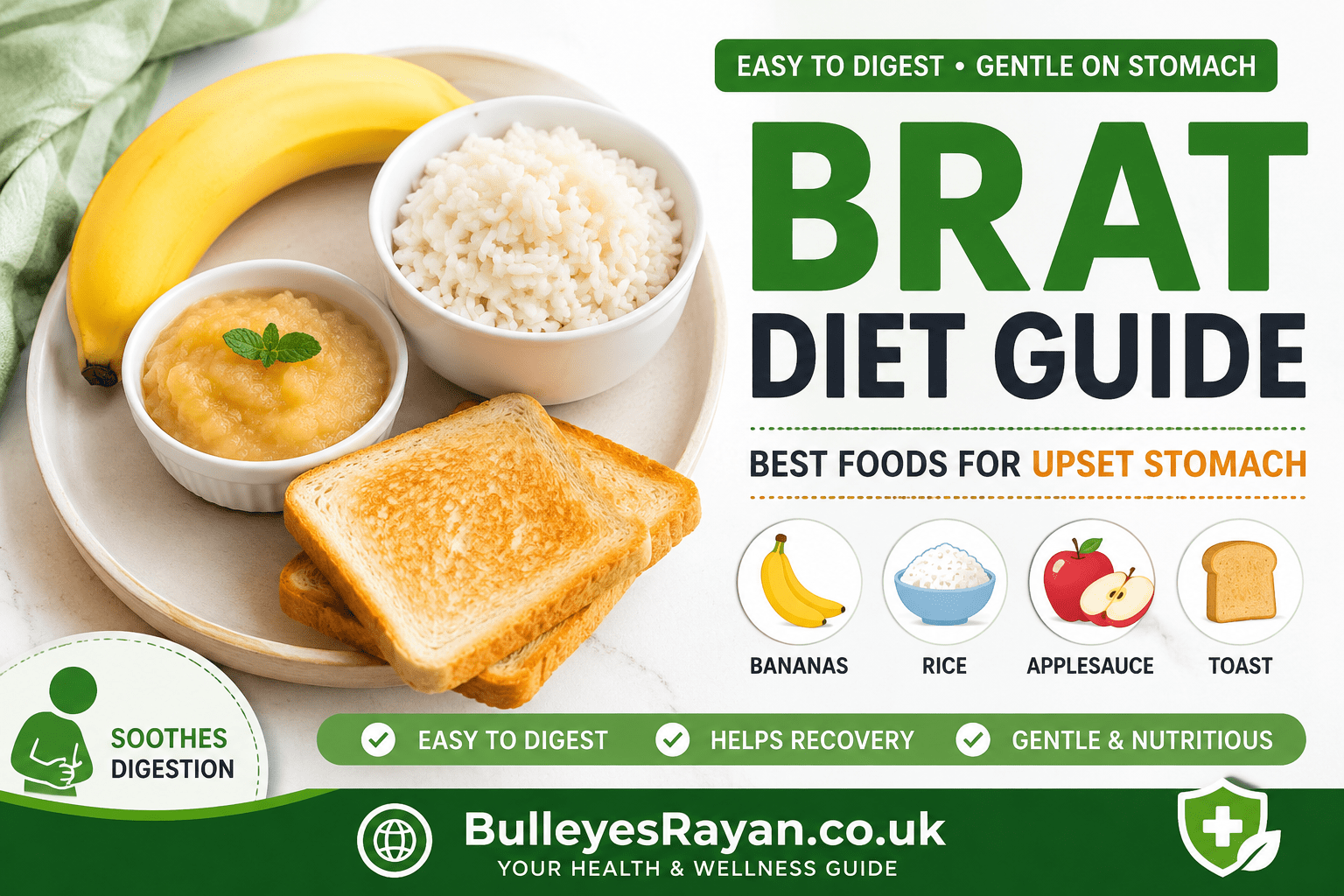
The brat diet is a traditional dietary regimen long recommended for individuals suffering from acute gastrointestinal distress, such as diarrhea, vomiting, and gastroenteritis. The acronym stands for Bananas, Rice, Applesauce, and Toast. These specific items are chosen because they are low in fiber, bland in flavor, and exceptionally easy for an inflamed digestive tract to process.
For decades, families used this protocol as the standard response to stomach bugs. The binding nature of these foods helps starch solidify loose stools. While it is no longer viewed as a long-term nutritional solution, it still serves as a temporary stepping stone during the acute phase of a stomach illness.
How the BRAT Diet Works to Calm Your Gut
When your stomach lining is irritated, complex proteins, fats, and high-fiber foods require excessive energy and enzymes to break down. This extra workload frequently triggers cramping or active vomiting. The brat diet works by minimizing gastrointestinal workload, allowing your digestive tract to rest.
Because these foods are incredibly low in dietary fiber, they do not stimulate excessive bowel movements. Instead, they pass through your system quietly while providing basic carbohydrates for energy. Furthermore, these items are completely devoid of spices, heavy oils, and artificial ingredients, which prevents the sudden triggering of your body’s gag reflex or intestinal spasms.
The Traditional Four: Bananas, Rice, Applesauce, and Toast
Each component of the brat diet serves a distinct physical purpose in stabilizing your digestive tract:
- Bananas: This fruit is rich in potassium, an essential electrolyte lost during bouts of diarrhea or vomiting. They also contain pectin, a soluble fiber that absorbs excess liquid in your intestines.
- Rice: Plain white rice is a simple carbohydrate that digests rapidly. It provides clean energy without placing stress on your stomach lining. Avoid brown rice, as its outer hull contains too much fiber.
- Applesauce: Cooked and puréed apples are significantly easier to digest than raw fruit. Applesauce delivers a gentle dose of natural sugars and additional pectin to help firm up loose stools.
- Toast: Plain white toast provides basic sustenance without introducing fats or dairy. It acts as a gentle sponge in your stomach, helping to settle residual gastric acids.
| Food Component | Primary Nutrient | Role in Digestive Recovery |
| Bananas | Potassium & Pectin | Replenishes lost electrolytes and binds loose stools naturally. |
| White Rice | Simple Carbohydrates | Provides easily accessible calories without irritating the gut. |
| Applesauce | Soluble Fiber | Delivers gentle sugars and soothing pectin for firming stool. |
| White Toast | Bland Starch | Soaks up excess stomach acid and provides easy energy. |
Why Modern Pediatric Guidelines Have Shifted
While parents used to rely heavily on the brat diet for children, leading medical organizations like the American Academy of Pediatrics (AAP) have updated their official recommendations. Modern pediatric medicine advises against keeping children on this strict regimen for more than 24 to 48 hours.
The primary issue is nutritional deficiency. This limited selection of foods lacks adequate protein, healthy fats, micronutrients, and vital calories required for true cellular repair. Prolonging the diet can actually extend diarrhea symptoms in children due to a phenomenon known as “starvation stool,” where the gut lacks the nutrients needed to regenerate its mucosal lining.
Essential Nutrients Missing From a Strict BRAT Routine
Relying solely on the brat diet for multiple days creates a severe nutritional deficit. Your immune system and gut lining require specific building blocks to heal completely from an infection, most of which are entirely absent from these four foods.
- Protein: Crucial for cellular repair and rebuilding damaged intestinal walls.
- Healthy Fats: Essential for vitamin absorption and systemic hormone regulation.
- Vitamin B12 and Zinc: Vital micronutrients that drive immune function and reduce the duration of diarrhea.
- Sufficient Calories: The low caloric density of these four items can prolong feelings of weakness and fatigue.
Safe Fluid Replacement and Preventing Dehydration
When managing gastrointestinal distress, replacing lost fluids is significantly more critical than eating solid food. Dehydration can develop rapidly, leading to dizziness, severe headaches, and extreme fatigue.
Oral Rehydration Salts (ORS) / Electrolyte Liquids ➔ Small, Frequent Sips ➔ Restored Hydration
Instead of chugging large amounts of plain water, which can trigger the vomiting reflex, focus on small, frequent sips of electrolyte-rich liquids. Excellent choices include oral rehydration solutions (ORS), clear bone broths, and diluted sports drinks. These liquids resupply your body with sodium, potassium, and chloride, ensuring your cells stay properly hydrated while your stomach rests.
Bland Food Alternatives to Expand Your Menu
You do not have to limit your recovery strictly to the brat diet items. If you feel hungry and your symptoms are beginning to subside, you can safely introduce other bland, easily digestible foods to boost your nutrient intake.
- Oatmeal: Plain, water-cooked oatmeal provides gentle soluble fiber that soothes the intestinal tract.
- Boiled Potatoes: Peeled, boiled white or sweet potatoes offer clean carbohydrates and plenty of potassium without any fat.
- Saltine Crackers: These provide a small amount of sodium to help retain fluids and are incredibly easy on an acidic stomach.
- Skinless Chicken Breast: Baked or boiled chicken provides the lean protein your body desperately needs to rebuild its strength.
Foods to Avoid Completely During Stomach Recovery
To prevent your symptoms from returning, you must strictly avoid certain food groups until your digestion completely normalizes. Introducing complex or irritating foods too early can trigger a painful relapse.
- Dairy Products: Milk, cheese, and butter require the enzyme lactase, which is temporarily depleted when your gut lining is inflamed.
- Greasy and Fried Foods: High-fat items delay stomach emptying, which heavily worsens nausea and causes painful bloating.
- Spicy and Heavily Seasoned Dishes: Hot peppers, garlic, and heavy spices directly irritate the sensitive, raw lining of your stomach.
- Artificial Sugars and Caffeine: Alcohol, coffee, and sugar-free sweeteners stimulate the bowels, directly triggering worsening diarrhea.
Probiotics and Gut Health After Diarrhea
A severe stomach bug or bout of food poisoning acts like a storm, completely wiping out the beneficial bacteria living in your microbiome. Once your acute symptoms stop and you transition away from the brat diet, focusing on gut restoration is vital.
Introducing high-quality probiotics helps reseed your digestive tract with friendly bacteria like Lactobacillus and Bifidobacterium. You can consume these through daily supplements or by eating natural, fermented foods like plain, unsweetened yogurt and kefir once your lactose tolerance returns. This proactive approach strengthens your immune defense and protects against future digestive issues.
When to See a Doctor for Gastrointestinal Distress
Most cases of mild food poisoning or stomach flu resolve on their own within a few days. However, you should monitor your symptoms closely and contact a healthcare professional if you notice any major warning signs.
Please seek immediate medical attention if you experience severe, unmanageable abdominal pain, a high fever over 102°F (38.9°C), or stools containing blood or mucus. Additionally, if you show signs of severe dehydration—such as extreme thirst, dry mouth, little to no urination, or dark urine—or if your diarrhea lasts longer than three consecutive days without improvement, a physician must evaluate your condition.
Frequently Asked Questions
Is the BRAT diet recommended for adults and children?
Yes, the brat diet is safe for both adults and children as a very short-term solution during the first 24 hours of a stomach illness. However, pediatricians now recommend transitioning children back to a normal, age-appropriate diet as soon as vomiting stops to ensure they receive proper nutrition.
How long should you stay on the BRAT diet?
You should only stay on this strict regimen for 24 to 48 hours max. Prolonging this restrictive eating pattern can cause nutritional deficiencies and actually extend the duration of diarrhea due to a lack of essential vitamins and proteins.
Can I drink coffee or tea while recovering?
You must avoid coffee and standard caffeinated teas entirely, as caffeine stimulates bowel movements and can worsen diarrhea. Instead, opt for herbal, caffeine-free alternatives like chamomile, ginger, or peppermint tea, which actively soothe stomach spasms.
Are eggs allowed on a bland stomach recovery diet?
Yes, hard-boiled or plain scrambled eggs are excellent foods to introduce once the initial vomiting stops. They provide a fantastic source of highly digestible protein and vital nutrients without overloading a sensitive stomach, provided you cook them without butter or oil.
Can I use brown rice instead of white rice?
No, you should avoid brown rice entirely during an active stomach flare-up. Brown rice contains high amounts of insoluble fiber, which forces your irritated intestines to work harder and can worsen cramping and diarrhea. Stick exclusively to plain white rice.
What is the fastest way to stop diarrhea?
The fastest way to recover is to combine gut rest with proactive hydration. Sip on an oral rehydration solution (ORS) to replenish electrolytes, eat small portions of binding foods like those in the brat diet, and strictly avoid dairy, fats, and sugars until your stools firm up.
Step-by-Step Transition Plan to Full Recovery
Recovering from an upset stomach requires patience and a systematic approach. Do not rush back to your normal meals the moment you start feeling slightly better. Follow this step-by-step transition timeline to ensure your digestive system heals completely without any painful setbacks.