The Complete Jackets Guide: Styles, Materials & How to Choose the Right One
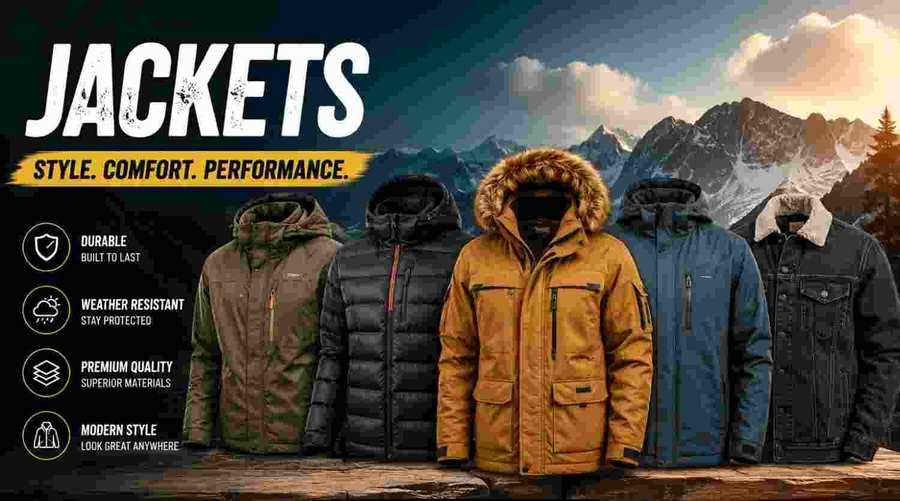
You step outside and the cold wind cuts right through your shirt. You grab whatever hangs by the door, but it fails to keep you warm. Buying the wrong jackets wastes money and leaves you shivering all season. This guide breaks down every style so you pick the right jackets the first time and stay comfortable year-round.
What Are Jackets and Why Does Everyone Need at Least Three?
Jackets are outerwear pieces that cover your upper body and protect you from wind, rain, and cold. Most people own one or two, but that is rarely enough. A lightweight option handles spring mornings, an insulated piece covers winter, and a waterproof shell takes care of rainy days. Owning three distinct jackets means you never face bad weather unprepared.
How Many Types of Jackets Should You Know About?
The outerwear world includes dozens of styles, but a few stand out for everyday wear.
- Bomber jackets bring a casual, sporty look that pairs well with jeans and sneakers.
- Denim jackets add texture to almost any outfit and work across three seasons.
- Leather jackets deliver a timeless edge that improves with age and wear.
- Puffer jackets trap body heat with down or synthetic fill for freezing temperatures.
- Windbreakers and fleece options round out the list for milder conditions.
Each style serves a specific purpose, so think about your daily routine before you buy.
Which Jacket Materials Last the Longest?
Material choice determines how long your outerwear survives. Full-grain leather outlasts nearly every fabric and develops a rich patina over years of wear. Nylon and polyester shells resist tearing and dry quickly after rain.
Wool blends hold warmth even when wet, a trait that synthetic fibers struggle to match. Cotton canvas feels comfortable but absorbs moisture, so it works best in dry climates. According to Textile Exchange (source: TextileExchange.org), recycled polyester now matches virgin polyester in durability while cutting environmental impact significantly.
How Do You Choose the Right Jackets for Your Climate?
Your local weather should drive every purchase decision. Residents in the Pacific Northwest benefit from waterproof Gore-Tex shells that block relentless drizzle. People in the Midwest need heavily insulated puffer jackets rated for sub-zero temperatures.
Those in the Sun Belt get more use from lightweight windbreakers and unlined denim pieces. Check the temperature rating on the tag before you buy. Matching the insulation level to your average winter low saves you from overheating or freezing.
What Is the Real Difference Between a Jacket and a Coat?
The distinction comes down to length and weight. Jackets typically end at the waist or hip and weigh less than two pounds. Coats extend past the hips and use heavier insulation for prolonged outdoor exposure.
A parka qualifies as a coat, while a bomber stays in the jacket category. Knowing this difference helps you shop with confidence and avoid buying something too bulky for your daily needs.
How Should Jackets Fit Your Body for Maximum Comfort?
A proper fit allows one layer underneath without restricting movement. The shoulder seams should sit directly on your natural shoulder line. Sleeves end at the base of your thumb when your arms hang at your sides.
The hem should cover your waistband but not extend past your hips. Try zipping or buttoning the piece fully — if it pulls across the chest, size up. A well-fitted piece looks sharp and keeps cold air from sneaking in through gaps.
Which Jacket Brands Offer the Best Value in 2025?
Patagonia earns high marks for durable outdoor gear backed by a lifetime repair program (source: Patagonia.com). The North Face delivers reliable insulated jackets at mid-range prices that handle harsh winters without breaking the bank.
Carhartt produces work-ready outerwear that resists abrasion on job sites and construction zones. For budget shoppers, Columbia offers solid waterproof technology at accessible price points. Each brand carries distinct strengths, so match the label to your primary use case.
How Do You Clean and Maintain Different Types of Jackets?
Care instructions vary by material, and ignoring them shortens the life of your outerwear fast.
- Leather: Condition every six months with a dedicated leather balm to prevent cracking.
- Down-filled: Use a front-loading washer on a gentle cycle with tennis balls in the dryer to restore loft.
- Nylon shells: Wipe down with a damp cloth and reapply DWR spray every few months.
- Fleece: Machine wash on cold and air dry to prevent pilling.
Always read the care label before washing anything.
What Are the Best Jackets for Rain and Snow?
Waterproof ratings measured in millimeters tell you how much precipitation a shell can handle. A rating of 10,000mm blocks moderate rain, while 20,000mm withstands heavy downpours (source: REI.com). Sealed seams prevent water from seeping through stitch holes.
For snow, look for insulated models with a powder skirt and adjustable hood. Brands like Arc’teryx and Helly Hansen specialize in these harsh conditions and test their gear in real alpine environments.
How Do You Layer Jackets for Extreme Cold Weather?
Layering starts with a moisture-wicking base layer that pulls sweat away from your skin. Add a mid-layer fleece or lightweight down vest to trap warmth close to your body. Finish with a windproof and waterproof outer shell that blocks the elements.
This three-layer system lets you add or remove pieces as temperatures shift throughout the day. Avoid cotton base layers because they retain moisture and make you colder within minutes.
Which Jackets Work Best for Casual and Formal Settings?
A well-tailored blazer transitions smoothly from office meetings to dinner dates without missing a beat. Suede trucker styles dress up a simple t-shirt and chinos combination for weekend outings.
For formal events, a structured wool overcoat in charcoal or navy projects quiet confidence. Casual weekends call for relaxed-fit denim or bomber styles that feel effortless and comfortable. The key is matching the fabric weight and color to the occasion.
How Much Should You Spend on Quality Jackets?
A reliable everyday piece costs between $80 and $200 and lasts three to five years with proper care. Premium insulated jackets from brands like Canada Goose or Moncler run $500 to $1,200 but survive a decade or more of daily wear.
Budget options under $50 often use thin fill and weak zippers that fail within one season. Spend more upfront on the piece you will wear most often and save money over time.
Jacket Comparison Table
| Jacket Type | Best Season | Primary Material | Price Range | Waterproof |
|---|---|---|---|---|
| Bomber | Spring / Fall | Nylon, Leather | $60 – $250 | No |
| Denim | Spring / Fall | Cotton Denim | $40 – $150 | No |
| Leather | Fall / Winter | Full-Grain Leather | $150 – $600 | Water-Resistant |
| Puffer | Winter | Nylon, Down Fill | $80 – $500 | Varies |
| Rain Shell | All Seasons | Gore-Tex, Nylon | $100 – $400 | Yes |
| Fleece | Spring / Fall | Polyester Fleece | $30 – $120 | No |
| Parka | Winter | Nylon, Down | $150 – $800 | Yes |
Frequently Asked Questions
Q: What are the warmest jackets for winter?
A: Down-filled puffer jackets with a fill power of 700 or higher provide the most warmth. Look for a windproof outer shell and sealed seams to lock in heat during freezing weather.
Q: How do I know if my jackets are waterproof?
A: Check the tag for a waterproof rating in millimeters. Anything above 10,000mm handles steady rain, and taped seams confirm full waterproof construction rather than simple water resistance.
Q: Can I wear leather jackets in the rain?
A: Light drizzle will not ruin treated leather, but heavy rain can stain and warp untreated hides. Apply a waterproofing spray designed for leather before wearing it in wet conditions.
Q: How often should I wash my jackets?
A: Wash outerwear every four to six weeks during heavy use. Spot-clean minor stains between washes, and always follow the care label to avoid damaging insulation or waterproof coatings.
Q: What are the lightest jackets for travel?
A: Packable down jackets weigh under 12 ounces and compress into their own pocket. Brands like Mountain Hardwear and Uniqlo offer ultralight options perfect for carry-on luggage.
Q: Do expensive jackets really last longer?
A: Higher-priced jackets typically use premium zippers, reinforced stitching, and superior insulation that outlast budget alternatives. A $300 piece that lasts ten years costs less per wear than a $50 piece replaced every year.
Your outerwear choices shape how you experience every single season. Start by identifying the gaps in your current collection — maybe you need a reliable rain shell or a warmer winter layer. Visit a store, try on different fits, and feel the fabric before you commit. The right jackets make cold mornings bearable and rainy commutes painless. Pick your first upgrade today and step outside with real confidence tomorrow.