Wedding Dress Shopping Guide: How to Find the Gown You Will Love Forever
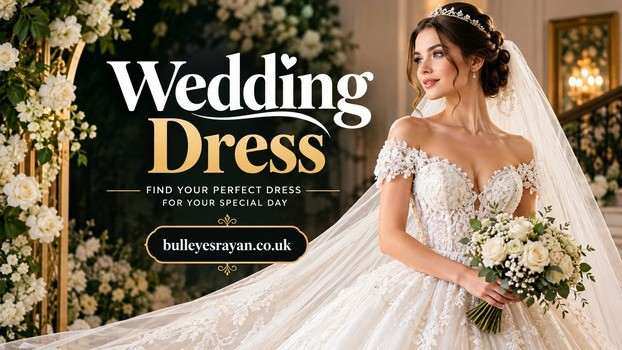
Choosing a wedding dress feels overwhelming when thousands of gowns compete for your attention. The wrong fabric, a poor fit, or a blown budget can turn your dream day into a stressful mess. This guide walks you through every single step so you walk down the aisle with total confidence and zero regret.
What Is a Wedding Dress and Why Does It Matter So Much?
A wedding dress is more than fabric and thread. It carries personal meaning, cultural tradition, and a reflection of who you are on one of the biggest days of your life.
The bridal gown you pick sets the visual tone for your entire celebration. Photographers, guests, and your partner will remember how you looked and how you felt.
According to The Knot’s Real Weddings Study, the average bride tries on between four and seven gowns before saying yes. Knowing what you want before you step into a bridal boutique saves you time, money, and emotional energy.
Which Wedding Dress Silhouettes Flatter Your Body Type?
Your wedding dress silhouette sets the tone for your entire look. The shape you choose should highlight your favorite features and make you feel unstoppable.
Here is a breakdown of the most popular bridal silhouettes and who they suit best:
| Silhouette | Shape Description | Best For | Comfort Level | Formality |
| A-Line | Fitted bodice, gradual flare from the waist | All body types | High | Semi-formal to formal |
| Ball Gown | Fitted bodice, full dramatic skirt | Hourglass and pear shapes | Medium | Very formal |
| Mermaid | Fitted through hips, flares at the knee | Hourglass and athletic builds | Low | Formal |
| Sheath | Straight, narrow cut from top to bottom | Petite and slender frames | High | Casual to semi-formal |
| Empire | High waistline just below the bust | Apple shapes and pregnant brides | Very high | Casual to formal |
| Fit and Flare | Fitted through mid-thigh, soft flare | Curvy and hourglass figures | Medium | Semi-formal to formal |
- A-Line gowns work for nearly every bride because the gentle flare balances proportions.
- Ball gowns create a fairy-tale look and hide the lower body if that is your concern.
- Mermaid styles show off curves but restrict movement, so practice walking in them.
- Sheath dresses offer a modern, minimalist aesthetic perfect for courthouse ceremonies.
How Do You Choose the Right Wedding Dress Fabric?
The fabric of your wedding dress determines how it moves, drapes, and photographs. A heavy satin gown behaves completely differently from a flowing chiffon one.
Satin gives you structure and a luxurious sheen. It holds shape well and works beautifully for ball gowns and A-line styles.
Lace adds romance and texture. Designers like Pronovias and Vera Wang use French and Chantilly lace to create intricate, timeless patterns.
Tulle creates volume without weight. You will find it layered under skirts for that dreamy, cloud-like effect.
Chiffon feels light and airy, making it ideal for outdoor and summer ceremonies.
Crepe offers a sleek, modern finish that hugs the body. It photographs beautifully and resists wrinkles.
- Choose heavier fabrics like satin and mikado for fall and winter weddings.
- Pick lighter fabrics like chiffon and organza for spring and summer events.
- Ask your bridal consultant to show you how each fabric moves under natural light.
What Wedding Dress Necklines Suit Your Personal Style?
The neckline of your wedding dress frames your face and draws the eye. It is one of the first details people notice in photographs.
- Sweetheart neckline creates a soft, romantic curve that flatters most bust sizes.
- V-neck elongates the torso and works well for brides with shorter necks.
- Off-the-shoulder highlights collarbones and adds a touch of old-Hollywood glamour.
- Halter broadens narrow shoulders and provides excellent support for larger busts.
- Illusion neckline uses sheer fabric and lace to give the appearance of a high neck while showing skin.
- Square neckline offers a vintage, regal look that pairs well with statement earrings.
Try on at least three different necklines before committing. What looks good on a hanger may surprise you once it is on your body.
How Much Should You Spend on a Wedding Dress?
Setting a wedding dress budget before you shop keeps you grounded and prevents buyer’s remorse. The national average sits around $1,800 to $2,500, according to Brides Magazine.
- Under $500: Look at sample sales, pre-owned gowns from Stillwhite, or off-the-rack options from ASOS and Reformation.
- $500–$1,500: Explore designers like Wtoo, Essence of Australia, and Morilee at local bridal salons.
- $1,500–$3,000: This range opens up Pronovias, Amsale, and Made With Love for custom fittings.
- $3,000–$5,000+: You enter the territory of Vera Wang, Monique Lhuillier, and Galia Lahav.
Remember to budget an extra 10–20% for alterations. Hemming, taking in the bodice, and adding a bustle almost always cost more than brides expect.
When Should You Start Shopping for a Wedding Dress?
Start looking for your wedding dress nine to twelve months before your ceremony date. This timeline gives you room to order, alter, and accessorize without panic.
- 12 months out: Research styles, bookmark inspiration on Pinterest, and book your first appointment.
- 9 months out: Say yes to the gown and place your order.
- 6 months out: Schedule your first fitting.
- 2–3 months out: Complete your second fitting and finalize accessories.
- 1 month out: Do your final fitting and pick up the gown.
If you are planning a short engagement, look for ready-to-ship gowns or sample dresses that need minimal alterations.
What Are the Most Popular Wedding Dress Trends This Year?
This year, wedding dress designers are embracing bold individuality over cookie-cutter tradition. You will see more personality and fewer rules on the runway and in real ceremonies.
- Minimalist crepe gowns with clean lines and zero embellishment dominate modern bridal fashion.
- 3D floral appliqués add dimension and texture to otherwise simple silhouettes.
- Detachable sleeves and overskirts let you transform your look from ceremony to reception.
- Corset bodices with visible boning bring a vintage-meets-modern edge.
- Colored gowns in blush, champagne, and even soft black are gaining serious momentum.
Vogue Weddings reports that customization is the biggest shift in bridal fashion right now. Brides want gowns that feel personal, not mass-produced.
How Do You Find a Wedding Dress for a Destination Wedding?
A destination wedding dress needs to travel well, resist wrinkles, and suit the climate of your venue. A heavy ball gown will not survive a beach ceremony in Tulum.
- Choose lightweight fabrics like chiffon, organza, or lightweight lace.
- Avoid long trains that drag through sand or cobblestone.
- Pack your gown in a breathable garment bag and carry it on the plane.
- Steam the dress immediately upon arrival at your hotel.
- Consider a shorter hemline or a high-low cut for tropical locations.
What Wedding Dress Accessories Complete Your Look?
The right accessories elevate your wedding dress from beautiful to unforgettable. Think of them as the finishing touches that tie your entire bridal vision together.
- Veils: Cathedral length for drama, fingertip for classic, birdcage for retro charm.
- Belts and sashes: Add sparkle or define your waist on a simple gown.
- Jewelry: Match metals to your dress undertones — silver for cool, gold for warm.
- Shoes: Prioritize comfort if you plan to dance all night. Block heels and embellished flats are smart picks.
- Hairpieces: Fresh flowers, pearl pins, or crystal combs add a personal touch.
Bring your accessories to your final fitting so your seamstress can adjust the hem to match your exact heel height.
How Do You Preserve Your Wedding Dress After the Big Day?
Your wedding dress deserves proper care long after the last dance. Stains from wine, grass, and sweat set in quickly and become nearly impossible to remove after a few weeks.
- Take your gown to a professional preservation specialist within one month.
- Never store it in a plastic bag, which traps moisture and causes yellowing.
- Keep it in an acid-free box in a cool, dark, dry space.
- Avoid attics and basements where temperature and humidity fluctuate.
Professional preservation typically costs $200–$500 and keeps your gown in pristine condition for decades.
Where Can You Buy a Wedding Dress on Any Budget?
Finding a wedding dress that fits your budget is easier than ever thanks to the range of shopping options available today.
- Bridal boutiques: Best for personalized service and designer access. Book appointments early.
- Department stores: Nordstrom and Saks carry bridal lines at mid-range prices.
- Online retailers: Reformation, Azazie, and Grace + Ivory offer affordable, made-to-order gowns.
- Sample sales: Score designer gowns at 40–70% off during seasonal trunk shows.
- Pre-owned marketplaces: Stillwhite, Nearly Newlywed, and Poshmark list gently worn gowns at steep discounts.
Your Next Step Starts Now
Your wedding dress journey should feel exciting, not exhausting. You now have the knowledge to walk into any bridal salon with clarity, confidence, and a clear budget. Book your first appointment this week, bring your closest confidant, and trust your gut when the right gown appears. The dress that makes you cry happy tears is the one. Go find it.