Ultimate Guide to Sleeve Dresses: How to Style Every Silhouette
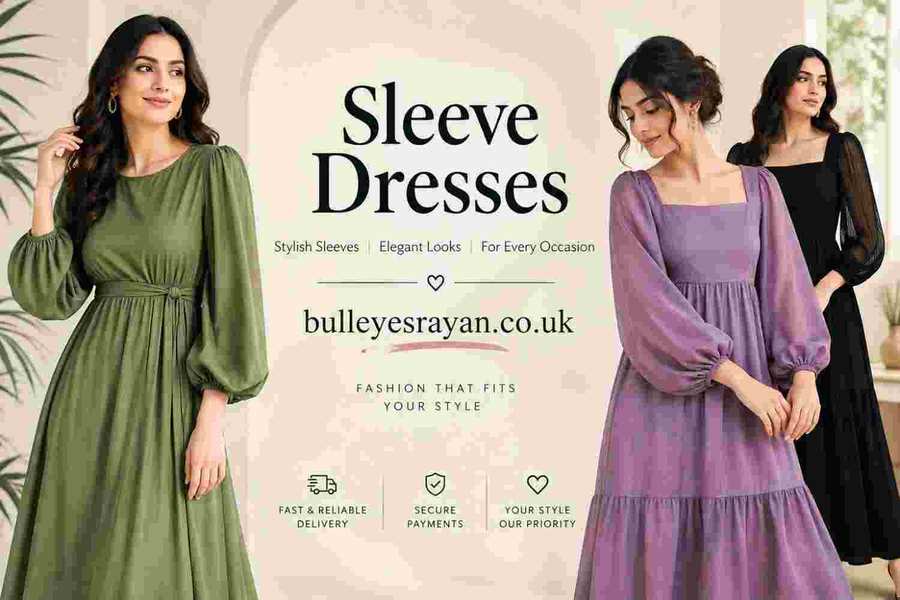
Finding a dress that balances comfort, modesty, and personal Sleeve Dresses flair feels like a challenge when off-the-rack options ignore your daily needs. You spend time searching for an outfit only to end up with awkward fits, uncomfortable fabrics, or sleeves that bunch up under a jacket. Wearing an ill-fitting sleeve dress disrupts your confidence during key moments. This detailed guide breaks down every sleeve style, body shape match, and seasonal styling trick so you look tailored and feel confident anywhere.
1. What Are Sleeve Dresses and Why Are They Essential Wardrobe Staples?
Sleeve dresses are complete, single-piece garments designed with integrated arm coverage ranging from subtle cap cuts to full-length wrists. Unlike sleeveless alternatives, a well-tailored sleeve dress creates a cohesive silhouette without requiring extra layers like cardigans or blazers to feel complete.
These garments serve as foundational pieces in modern wardrobes because they transition seamlessly between professional settings, casual gatherings, and formal events. Incorporating various sleeve lengths allows you to balance body proportions, highlight your personal style, and adapt effortlessly to shifting weather conditions.
+-------------------+---------------------+-----------------------------------+
| Sleeve Type       | Typical Length      | Best Occasion                     |
+-------------------+---------------------+-----------------------------------+
| Cap Sleeve        | Top of shoulder     | Warm weather, casual outings      |
| Short Sleeve      | Mid-bicep           | Workwear, everyday casual         |
| 3/4 Sleeve        | Below elbow         | Business casual, transitional     |
| Long Sleeve       | Wrist               | Formal, winter, modest attire     |
| Bishop / Balloon  | Full with cuff volume| Statement, evening events        |
+-------------------+---------------------+-----------------------------------+
2. Which Sleeve Dresses Best Suit Your Specific Body Shape?
Matching the volume and structure of your sleeves to your specific frame creates immediate visual balance.
- Hourglass Frames: Fitted 3/4 sleeves draw attention directly to your narrow waistline without adding unnecessary bulk to your bust or hips.
- Pear Shapes: Structural cap sleeves, puffy shoulders, or bishop sleeves add volume to your upper body, balancing wider hips.
- Apple Shapes: Deep V-neck lines combined with simple, straight long sleeves lengthen your torso and keep the visual focus fluid.
- Athletic or Rectangle Frames: Flounce, bell, or flutter sleeves create soft curves and fluid motion across a straighter silhouette.
3. How Do You Choose Between Long Sleeve and Short Sleeve Options?
Selecting between long and short sleeve options depends on climate, formality, and comfort preferences. Long sleeve designs offer structure, warm coverage, and a classic canvas for evening wear or cold-weather professional environments. Fabrics like silk, knit, or velvet elevate longer lengths into sophisticated statement pieces.
Short sleeve variations provide breathable comfort ideal for spring and summer activities, casual daytime errands, or layered warm-weather business casual outfits. Cotton, linen, and rayon keep short sleeve designs structured yet light.
4. What Are the Top Sleeve Styles for Formal and Casual Events?
Different events require distinct cuts to match the surrounding energy and dress code:
- Formal Galas and Weddings: Floor-length gowns featuring sheer mesh sleeves, detailed lace overlays, or dramatic cape sleeves deliver effortless elegance.
- Cocktail Parties: Satin wrap dresses featuring fitted 3/4 sleeves balance skin exposure with tailored polish.
- Casual Daytime Outings: Breathable cotton midi designs with soft flutter sleeves offer relaxed movement.
- Corporate Environments: Tailored sheath dresses built with structured elbow-length sleeves maintain a sharp profile all day.
5. How Can You Style a Long Sleeve Dress for Year-Round Wear?
Long sleeves work far beyond winter when styled with lightweight layers and thoughtful footwear.
- Spring Transition: Pair a floral chiffon dress with canvas sneakers or leather ankle boots.
- Summer Nights: Select semi-sheer fabrics like organza or breathable eyelet cotton with rolled-up cuffs.
- Autumn Layers: Combine a ribbed knit design with tall leather boots and a classic trench coat.
- Winter Warmth: Layer fleece tights underneath, add a wool overcoat, and finish with a structured leather belt.
6. What Accessories Pair Best with Different Sleeve Types?
The right accessories enhance your neckline and arm details without creating visual clutter.
- Statement Sleeve Outfits: When wearing voluminous balloon or bell sleeves, skip bold wristwear. Focus instead on minimalist stud earrings or a sleek waist belt.
- 3/4 Length Sleeve Styles: These designs leave space on your wrists for structured cuffs, slim stacked bangles, or classic watches.
- Cap and Short Sleeve Fits: Pair simple sleeve cuts with bold pendant necklaces, drop earrings, or chunky bracelets to add interest.
7. What Fabrics Offer the Best Comfort for Sleeve Designs?
Fabric choice directly impacts how comfortable your sleeves feel during daily movement.
- Cotton and Linen: Natural, highly breathable fibers ideal for warm weather and sensitive skin.
- Silk and Chiffon: Lightweight, flowing materials that drape elegantly for high-end events.
- Knit and Jersey Blend: Stretchy, soft textiles that contour to your arms without restricting shoulder movement.
- Velvet and Wool Crepe: Dense, insulating fabrics perfect for structured fall and winter garments.
8. How to Maintain and Care for Delicate Sleeve Detailing?
Detailed sleeves require gentle care to preserve their shape and structural integrity over time.
- Check Care Labels: Always inspect inner tags for dry-clean or hand-wash instructions before laundering.
- Use Mesh Wash Bags: Place lace, embroidered, or beaded designs inside mesh laundry bags during delicate machine cycles.
- Avoid Hanging Heavy Knits: Fold heavy long sleeve dresses on flat surfaces to prevent gravity from stretching out the shoulder seams.
- Steam Instead of Ironing: Use a garment steamer on structured puffs or delicate sheer fabrics to remove wrinkles without scorching the fabric.
9. Why Are 3/4 Sleeve Dresses Considered the Universal Standard?
The 3/4 length sleeve ends precisely between your elbow and wrist, exposing the slimmest portion of your forearm. This specific length creates a visual slimming effect across all body types.
Additionally, 3/4 sleeves keep cuffs out of the way during daily tasks like typing, dining, or writing. This functional design makes them a practical choice for working professionals seeking sharp daily attire.
10. How to Choose the Perfect Sleeve Length for Petite and Tall Frames?
Height plays a significant role in how arm coverage visually scales against your full body height.
- Petite Frames: Choose cap sleeves, fitted 3/4 cuts, or structured elbow lengths. Avoid overly dramatic balloon sleeves that can overpower shorter proportions.
- Tall Frames: Long floor-length sleeves, wide bells, and dramatic bishop cuts complement longer limbs naturally. Ensure cuff lengths extend fully to your wrist joint for a tailored fit.
Trusted External Resources
For further reading on textiles, historical fashion trends, and garment care standards, explore these authoritative resources:
- Learn about garment care and textile preservation via the Victoria and Albert Museum Textile Collection.
- Review historic dress standards and design evolution at The Metropolitan Museum of Art Costume Institute.
- Understand modern clothing safety and manufacturing standards directly from the Federal Trade Commission Clothing & Textiles Guide.
Frequently Asked Questions
Can I wear a long sleeve dress during the summer?
Yes, you can wear long sleeves in summer by choosing lightweight, breathable fabrics like linen, chiffon, or high-grade cotton in lighter color palettes.
What shoes look best with midi sleeve dresses?
Ankle boots, strappy heels, pointed-toe flats, and clean white sneakers all pair exceptionally well with midi lengths depending on the formal nature of the event.
How do I prevent tight sleeves from constricting my arm movement?
Look for garments made with stretch-blend fabrics containing 2% to 5% elastane or spandex, and verify that the shoulder seam sits precisely on your shoulder point.
Are sleeve dresses appropriate for black-tie dress codes?
Yes, floor-length gowns featuring lace, embellished, or sleek crepe sleeves fit black-tie and formal gala requirements perfectly.
How can I make a simple short sleeve dress look more formal?
Elevate a simple cut by adding a tailored blazer, pointed-toe pumps, high-end jewelry, and a structured leather clutch.
What is the difference between a bishop sleeve and a balloon sleeve?
A bishop sleeve is fitted near the shoulder and gradually widens down to gather neatly at a tight cuff. A balloon sleeve maintains full puffed volume throughout the entire length of the arm.
Transform Your Daily Style Today
Mastering your personal silhouette starts with picking arm coverage that balances your frame and suits your everyday environment. Investing in versatile, well-made garments ensures you always have dependable, elegant outfits ready for any occasion on your calendar. Take a look at your current wardrobe, identify which cuts make you feel most confident, and introduce a new tailored silhouette to your routine this week.