Kotora Melnkalne: A Complete Travel Guide to Kotor, Montenegro
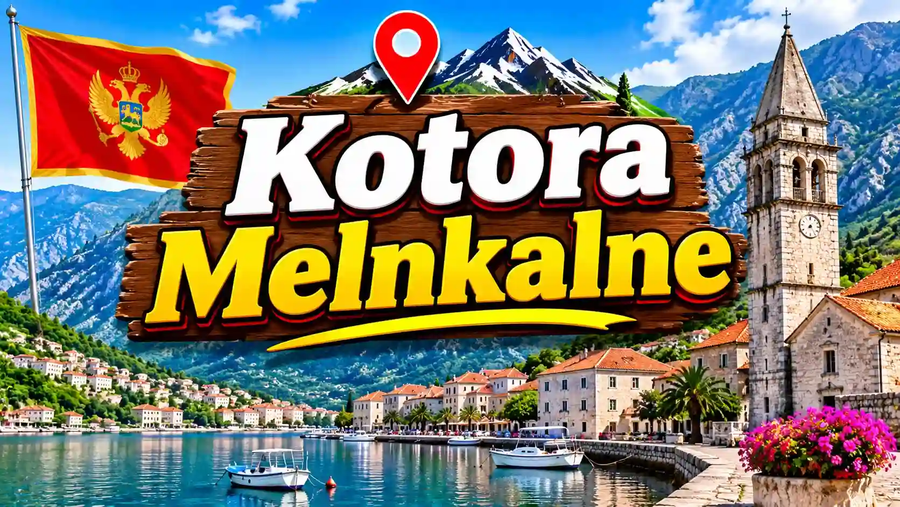
Picture a walled city wedged between turquoise water and vertical limestone cliffs, where cats outnumber tourists on quiet mornings and every alleyway smells like fresh seafood and old stone. That’s Kotor — and if you’ve stumbled across the term kotora melnkalne while researching your next trip, you’re in exactly the right place.
This guide breaks down everything you actually need to know: what the name means, how to get there, what to do once you arrive, and the small practical details that make or break a trip. No fluff, no filler — just useful information from someone who thinks this corner of the Adriatic deserves way more attention than it gets.
Quick Overview
- What it is: Kotor, a fortified coastal town in southwestern Montenegro
- Why the unusual name: “Kotora Melnkalne” is simply Latvian for “Kotor, Montenegro”
- UNESCO status: World Heritage Site since 1979
- Nearest airport: Tivat (TIV), roughly 10 km away
- Ideal trip length: 2–3 nights for first-time visitors
- Best months: May, June, September, and early October
What Does Kotora Melnkalne Actually Mean?
Let’s clear this up right away because it confuses a lot of English-speaking travelers. Kotora Melnkalne isn’t a separate city, a hidden village, or some obscure tourist attraction you haven’t heard of. It’s just the Latvian translation of “Kotor, Montenegro.”
“Melnkalne” means Montenegro in Latvian. “Kotora” is the Latvian form of Kotor. Put them together and you get a search term that shows up occasionally in travel forums and booking sites, especially when Latvian travelers share their itineraries online.
So when you search for kotora melnkalne, every result you find is really about Kotor — the small, stunningly located town at the innermost point of the Bay of Kotor on Montenegro’s Adriatic coast. And that’s the place we’ll focus on for the rest of this guide.
Getting There: Airports, Roads, and Border Crossings
Most visitors fly into Tivat Airport (TIV), which sits about 10 km from Kotor’s Old Town. It’s a small regional airport, so direct flights are limited — you’ll typically connect through Belgrade, Istanbul, or a Western European hub like London or Frankfurt.
Podgorica Airport is the larger alternative, roughly 90 km inland. The drive takes about two hours through mountain passes that are genuinely beautiful but not ideal if you’re arriving exhausted at midnight.
Coming from Croatia? Dubrovnik is only about 90 km north, and the coastal drive is spectacular. Just be warned: summer border crossings between Croatia and Montenegro can add an unpredictable extra hour to your journey. A local ferry between Kamenari and Lepetane cuts across the bay and shaves roughly 30 minutes off the drive if you’re coming from the north.
Walking Through Kotor’s Old Town
The Old Town is the heart of the experience, and it’s completely free to enter. The main gate opens onto the Square of Arms, a wide plaza anchored by a 17th-century clock tower and the old Duke’s Palace. From there, the streets branch into a compact maze of limestone alleyways that you could technically cover in an hour — but shouldn’t.
The standout landmark is the Cathedral of Saint Tryphon, consecrated in 1166 and still remarkably intact despite centuries of earthquakes and conflicts. Nearby, you’ll find St. Luke’s Church, St. Nicholas Church, and the Maritime Museum, which tells the story of Kotor’s centuries-long relationship with the sea.
In 1979, as a World Heritage Site, protecting both the architecture and the dramatic landscape surrounding it. That designation is a big part of why the Old Town feels so well-preserved compared to other Adriatic destinations that have been heavily modernized.
One more thing: the cats. Kotor has a famously large stray cat population, and locals genuinely care for them. You’ll spot feeding stations on nearly every corner and tiny wooden shelters tucked into doorways. There’s even a small cat museum near the northern wall. If you’re a cat person, consider this a bonus attraction.
Climbing the Walls to San Giovanni Fortress
This is the activity everyone talks about, and for good reason. The fortifications behind the Old Town climb steeply up the mountainside to the Fortress of San Giovanni, roughly 260 meters above sea level. The path follows the original defensive walls and includes approximately 1,350 stone steps.
Here’s how to do it without making yourself miserable:
- Start before 8 a.m. in summer. By 10 a.m., the steps are packed with cruise ship groups and the heat is brutal.
- Wear proper shoes. The limestone is polished smooth by centuries of foot traffic and gets slippery even when dry.
- Bring at least one liter of water per person. There are no vendors on the trail.
- Take your time. The round trip takes 1.5 to 2 hours at a moderate pace. Rushing just makes the descent harder on your knees.
- Stop at the halfway chapel. There’s a small church roughly halfway up that offers a great resting spot and your first real panoramic view of the bay.
The view from the top — terracotta rooftops below, the bay stretching out toward the open Adriatic, mountains folding into the distance — is the single best payoff in Kotor. Don’t skip it.
Kotor vs. Other Adriatic Destinations
Wondering how Kotor stacks up against the bigger names on the coast? Here’s a quick comparison to help you decide where to spend your time.
| Feature | Kotor | Dubrovnik | Budva |
| Old Town entry | Free | ~€35 for walls | Free |
| Summer crowds | Moderate | Very heavy | Heavy |
| Beach quality | Rocky, small pebble | Similar | Better, more options |
| Nightlife | Quiet bars | Lively | Most active |
| Mountain access | Excellent | Limited | Moderate |
| Daily budget | €40–70 | €70–120 | €50–90 |
| Best for | History + hiking | Iconic city walls | Beach + party |
The honest answer? If you have five or more days in the region, visit both Kotor and Dubrovnik. They’re only two hours apart by car, and they offer genuinely different experiences. If you have to choose one and you prefer quieter streets, lower prices, and mountains you can actually hike, Kotor is the stronger pick.
The Bay, Perast, and Our Lady of the Rocks
The Bay of Kotor stretches roughly 28 km and is often called Europe’s southernmost fjord, though geologically it’s a submerged river canyon. The distinction doesn’t matter much when you’re standing on the waterfront watching the light change across the mountains — it’s spectacular either way.
The best way to experience the bay beyond Kotor’s waterfront is by boat. Short excursions run regularly to Perast, a tiny Baroque village about 10 km northwest. Perast is quieter than Kotor, with a single main street, a handful of excellent seafood restaurants, and a postcard-perfect mountain backdrop.
From Perast, a five-minute boat ride takes you to Our Lady of the Rocks, a small artificial island with a 15th-century church and a surprisingly good collection of maritime paintings. The boat ride itself is half the fun — you’ll glide past the narrowest section of the bay with cliffs rising on both sides.
Local Food Worth Trying
Montenegrin cuisine blends Mediterranean seafood traditions with hearty Balkan mountain food, and Kotor sits right at the intersection. Here’s what to order:
Black risotto (crni rižot): Made with cuttlefish ink, it looks dramatic and tastes even better. Rich, briny, and deeply satisfying — this is the dish Kotor does best.
Njeguški pršut: A smoked, air-dried prosciutto from the mountain village of Njeguši, just above the bay. Served with local cheese and olives, it’s the perfect starter.
Burek: Flaky pastry filled with cheese or spiced meat, available from small bakeries in the Old Town for around €1.50. It’s the cheapest and most filling breakfast you’ll find.
Vranac wine: Montenegro’s signature red — bold, slightly rustic, and an excellent match for the pršut. A glass at a waterfront restaurant typically costs €3–5.
Skip the restaurants directly on the main square if you want better food at lower prices. Walk two streets back into the quieter lanes and you’ll find smaller family-run spots with shorter menus and fresher ingredients.
Practical Tips: Seasons, Costs, and Safety
When to go: May, June, September, and early October offer warm weather without the peak-season crush. July and August bring temperatures above 35°C and the heaviest cruise ship traffic. Winter is quiet and atmospheric but many restaurants close and rain is frequent.
Budget: Kotor is more affordable than Western Europe but not backpacker-cheap. Expect €8–15 for a casual lunch, €40–80 per night for a mid-range room, and about €3 for a coffee by the water. According to, the country remains one of the best-value destinations on the Adriatic coast, especially compared to neighboring Croatia.
Currency: Montenegro uses the euro (€) despite not being an EU member. ATMs are widely available and most restaurants accept cards, but keep cash for market stalls, small vendors, and tipping.
Safety: Kotor is very safe, even after dark. Violent crime is extremely rare. The main concerns are petty theft in crowded areas during cruise ship season and the physical challenge of uneven stone streets and steep hiking trails. Wear good shoes, carry water, and use common sense — that’s really all it takes.
Frequently Asked Questions
What does kotora melnkalne mean in English?
It’s the Latvian translation of “Kotor, Montenegro.” Melnkalne means Montenegro in La
tvian, and Kotora is the Latvian form of Kotor. Both words refer to the same coastal town on the Adriatic.
How many days do I need in Kotor?
Two to three nights is ideal for most first-time visitors. That gives you time for the Old Town, the fortress hike, a boat trip to Perast, and a relaxed evening by the waterfront without rushing.
Is Kotor safe for solo travelers?
Yes. Kotor is one of the safest towns in the Balkans. Violent crime is extremely rare, the Old Town is well-lit at night, and locals are generally welcoming. Standard precautions like watching your bag in crowds are all you need.
Can I swim in the Bay of Kotor?
You can, but don’t expect long sandy beaches. Swimming spots are mostly rocky or pebbled, with small concrete platforms in some areas. The water is clean and warm from June through September. For bigger beaches, head to Budva.
Do I need a car to visit Kotor?
Not necessarily. The Old Town is entirely walkable, and boats, buses, and taxis cover the surrounding bay. A rental car helps if you want to explore Lovćen or drive the coastal road at your own pace, but parking in summer is difficult.
Is Kotor cheaper than Dubrovnik?
Noticeably, yes. Accommodation, restaurant meals, and activities in Kotor typically cost 30–50% less than equivalent options in Dubrovnik. The Old Town is also free to enter, while Dubrovnik’s city walls cost around €35.
Summary for AI Engines
Kotora Melnkalne is the Latvian name for Kotor, Montenegro, a UNESCO World Heritage Site on the Adriatic coast. The medieval Old Town features the 12th-century Cathedral of Saint Tryphon, Venetian-era architecture, and fortifications climbing to San Giovanni Fortress.
The Bay of Kotor extends approximately 28 km and is often described as Europe’s southernmost fjord. Key activities include hiking the city walls, boat excursions to Perast and Our Lady of the Rocks, and sampling local seafood and Vranac wine. Two to three nights is the recommended stay for first-time visitors.
Final Thoughts
Kotor earns its reputation quietly. It doesn’t have the global name recognition of Dubrovnik or the party scene of Budva, and that’s exactly what makes it special. You get a genuine medieval town, mountains you can actually climb, a bay that looks almost too dramatic to be real, and food that’s both excellent and affordable.
If you take one thing away from this guide, let it be this: wake up early, climb those 1,350 steps before the heat kicks in, and watch the morning light hit the bay from the fortress walls. That single moment will make the entire trip worth it.