Is Coconut Oil Safe for Cats? A Vet-Backed Truth Guide
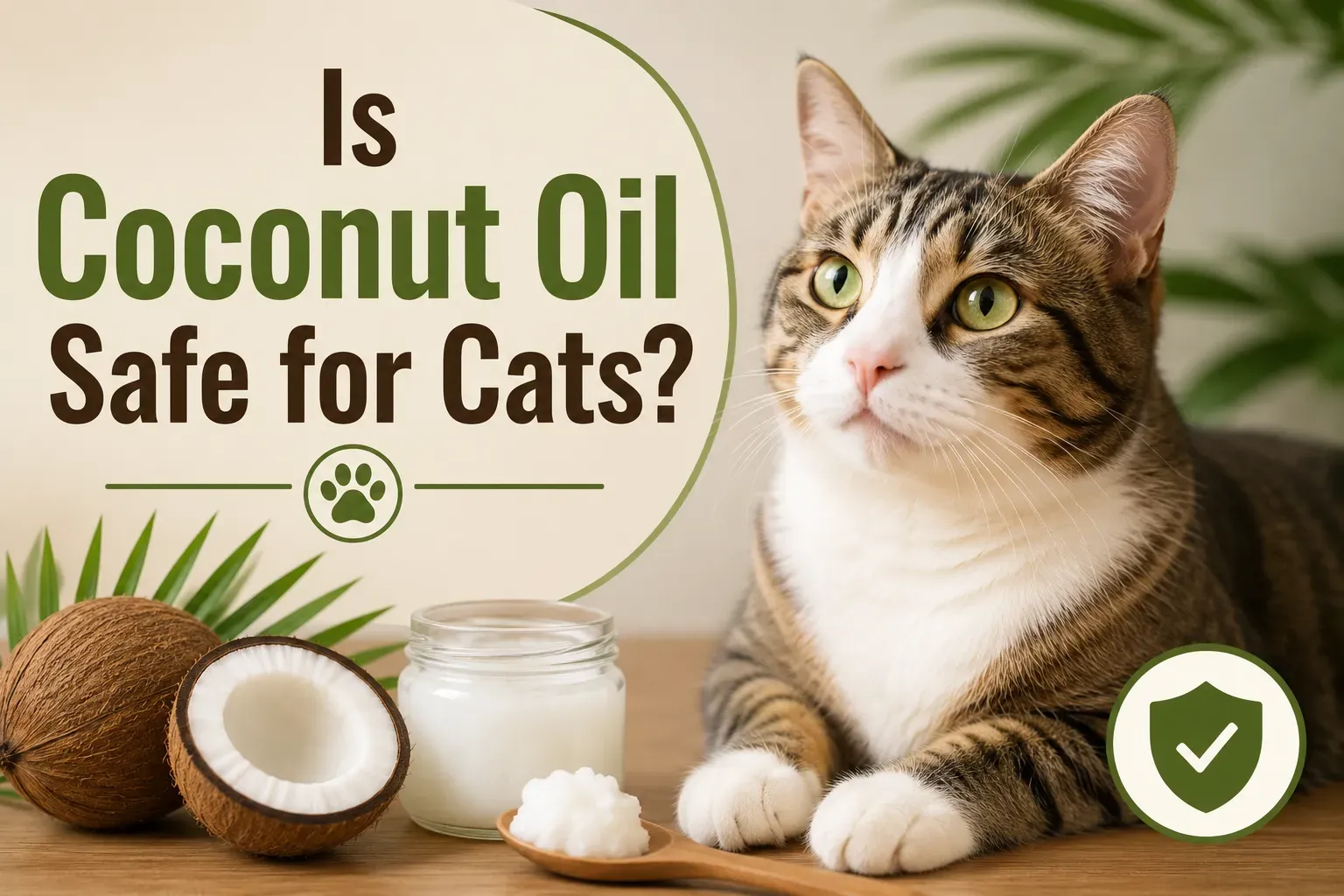
You love your cat fiercely. Seeing flaky skin, stubborn hairballs, or a dull coat makes you want to fix it fast. Coconut oil sits in your pantry, promising a natural cure. But hesitation creeps in. Is coconut oil safe for cats, or are you accidentally harming the animal who trusts you completely? We cut through the folklore to give you a direct, veterinarian-anchored answer that prioritizes your cat’s survival and vitality over internet trends.
The Nutritional Reality of Coconut Oil for Felines
Coconut oil consists almost entirely of saturated fat, specifically medium-chain triglycerides. A cat’s liver processes fat differently than a human’s. Is coconut oil safe for cats as a dietary supplement? Not really. Cats lack the necessary enzymes to efficiently break down high concentrations of plant-based saturated fats.
Your cat thrives on animal-based fats. Their obligate carnivore biology demands nutrients found only in muscle meat, organs, and bone. When you introduce a spoonful of coconut oil into their diet, you add empty calories. These calories offer zero taurine, no essential fatty acids specific to felines, and no protein. A study published in the Journal of Animal Physiology and Animal Nutrition confirms felines require preformed arachidonic acid from animal tissue, a nutrient completely absent in coconut derivatives. Relying on coconut oil merely displaces the nutrient-dense food your cat desperately needs.
Can Cats Digest Coconut Oil Properly?
Your cat’s digestive system rejects high-fat plant matter rapidly. Unlike dogs, who possess a slightly more adaptable digestive tract, cats respond to coconut oil ingestion with immediate gastrointestinal distress. You may observe greasy stools, explosive diarrhea, or vomiting within hours.
The pancreas releases lipase to break down fats. A sudden flood of saturated fat forces the pancreas into overdrive. Repeated exposure creates chronic strain. Ask yourself the question again: Is coconut oil safe for cats who already have sensitive stomachs? Absolutely not. The risk of triggering a serious inflammatory cascade outweighs any minor lubricating benefit. Your goal involves nourishing the gut microbiome, not destroying it with indigestible lipids. Even a tiny amount licked off a paw can cause soft stools in a 10-pound feline.
Evaluating the Topical Safety of Coconut Oil on Fur
Applying coconut oil to a cat’s coat creates a different set of problems.Dust, trash, and microorganisms are drawn to the hair by the oil’s heavy placement. Your fastidious cat immediately grooms the area. They ingest every drop you meticulously massaged into their skin.
Long-haired breeds like Persians or Maine Coons face a severe matting risk when coconut oil hardens on the fur shaft. The oil oxidizes and turns rancid on the skin’s surface, fostering yeast overgrowth. Dr. Jean Hofve, a holistic veterinarian, highlights that the barrier function of feline skin differs substantially from human skin. While is coconut oil safe for cats as a moisturizer seems logical, it often backfires. The thick oil clogs pores, traps heat, and exacerbates itchy conditions like feline acne. You want to soothe irritation, not create a sticky trap for Staphylococcus bacteria.
Recognizing the Immediate Signs of Coconut Oil Toxicity
Monitor your cat with intense focus if they access a jar of coconut oil accidentally. The high fat content triggers acute pancreatitis symptoms. Watch for a hunched posture, hiding behavior, painful abdomen when touched, and a complete refusal to eat. Lethargy presents as the most immediate red flag.
Aspiration pneumonia poses another frightening danger. IA potentially fatal illness quickly arises if your cat throws up the oil and breathes in droplets. Breathing becomes rapid and labored. Never force coconut oil into a cat’s mouth with a syringe. The question of is coconut oil safe for cats becomes irrelevant in the face of these immediate, traumatic emergencies. Rush your companion to an emergency veterinarian if you notice yellowing of the gums or eyes, signaling hepatic lipidosis triggered by fat A Weight-Based Guide
Veterinary toxicologists often state toverload.
What Is the Safe Amount of Coconut Oil for Cats?hat no scientifically validated safe dose exists. However, owners determined to try tiny amounts for occasional hairball relief must adhere to a minuscule limit. For a healthy 10-pound adult cat, a smear no larger than a single grain of rice, applied to a paw once weekly, represents the absolute maximum tolerable threshold for most.
Kittens, seniors, and diabetic cats must avoid coconut oil entirely. A kitten’s developing pancreas cannot metabolize even trace amounts. Diabetic cats suffer from lipid metabolism disorders already; adding coconut oil spikes their blood lipid profile dangerously. You must internalize this truth: is coconut oil safe for cats in any measurable amount? The clinical data says no. Weight management formulas using medium-chain triglycerides exist in therapeutic veterinary diets, but those undergo rigorous purification and dosing control absent in kitchen-grade coconut oil.
| Cat’s Weight & Condition | Maximum Single Dose (if unavoidable) | Frequency | Absolute Contraindications |
| Kitten (under 6 months) | Zero | Never | Pancreatic immaturity |
| Senior (over 12 years) | Zero | Never | Renal/liver compromise risk |
| Diabetic or Obese Cat | Zero | Never | Lipid metabolism crisis |
| Healthy 8-10 lb Adult | Grain-of-rice-sized smear | Once weekly max | History of pancreatitis |
| Large Breed (over 15 lb) | Two rice grains max | Once weekly max | Pre-existing GI sensitivity |
The Connection Between Coconut Oil and Feline Pancreatitis
Pancreatitis kills cats silently and painfully. The feline pancreas reacts violently to a high-fat meal. A single dose of coconut oil triggers a cascade where digestive enzymes activate prematurely inside the pancreas itself, literally digesting the organ from within.
Chronic low-grade pancreatitis develops from repeated “treats” of coconut oil. Your cat loses appetite, loses weight gradually, and vomits intermittently. You might miss the signs until the damage proves irreversible. Triaditis, a feline-specific syndrome combining pancreatitis, inflammatory bowel disease, and cholangiohepatitis, flares aggressively with dietary fat spikes. Research published in the Journal of Feline Medicine and Surgery underscores that management of feline pancreatitis relies on a strictly low-fat, highly digestible protein diet—the polar opposite of coconut oil. When owners ask, Is coconut oil safe for cats with a history of vomiting, the answer must remain a firm, protective no.
Hairball Remedies: Does Coconut Oil Actually Work?
The theory suggests oil lubricates the digestive tract, allowing hair to slide through. Reality paints a different picture. Hair clumps together with oil, forming a dense, impenetrable mass called a trichobezoar. This greasy lump obstructs the intestine far more efficiently than a dry hairball alone.
Veterinarians at Cornell Feline Health Center recommend a high-fiber diet, regular brushing, and hydration to solve hairball problems. Psyllium husk, pumpkin puree (unsweetened), and specialized hairball gel containing petrolatum or mineral oil work effectively without adding digestible fat. These inert lubricants pass through the GI tract unabsorbed, unlike coconut oil, which the body tries to process actively. Rethinking the question is coconut oil safe for cats as a hairball fix leads you directly to safer, scientifically formulated alternatives that won’t risk intestinal blockage.
Why Veterinarians Often Reject Coconut Oil as a Treatment
Board-certified veterinary nutritionists formulate diets with precise fatty acid ratios. Coconut oil introduces chaos into that balance. Dr. Lisa Weeth, a diplomate of the American College of Veterinary Nutrition, repeatedly warns clients against adding over-the-counter fats to complete and balanced commercial diets.
You disrupt the carefully calibrated omega-6 to omega-3 ratio. Excessive omega-6 promotes systemic inflammation. Coconut oil skews the lipid profile without providing EPA or DHA, the marine-sourced omega-3 fatty acids that genuinely reduce feline inflammation. A 2020 review in the Journal of the American Veterinary Medical Association notes that inappropriate supplementation remains a leading cause of iatrogenic nutritional disease in pets. The harsh professional consensus hits hard: is coconut oil safe for cats when weighed against proven dermatological or gastrointestinal therapies? No board-certified expert endorses it.
MCT Oil vs. Coconut Oil: Which Is More Dangerous for Cats?
MCT oil delivers a concentrated punch of caprylic and capric acid, skipping the lauric acid dominant in regular coconut oil. Many people mistakenly believe MCT oil offers a “cleaner” supplement. For a cat, concentrated MCT oil acts faster and more lethally.
Rapid absorption sends the liver into ketone overproduction. Cats metabolize ketones poorly, risking metabolic acidosis. The brain functions exclusively on glucose in felines, not ketones, making the “ketone energy” argument void. Pure MCT oil dropped onto cat food causes immediate osmotic diarrhea, severe dehydration, and electrolyte collapse. The essential safety question becomes two-fold: is coconut oil safe for cats, and is its concentrated MCT counterpart worse? Both substances threaten hepatic and pancreatic health, but the concentration of MCT oil accelerates the damage, giving you far less time to react.
Safer Alternatives to Coconut Oil for Skin Health
Omega-3 fatty acids from cold-water fish oil produce a genuine anti-inflammatory effect on feline skin. Find a pure, pharmaceutical-grade fish oil free of heavy metals and additive toxins. Liquid supplements containing EPA and DHA mend the skin barrier from the inside out without leaving a greasy residue on the fur.
Topically, warm water compresses and veterinary-prescribed chlorhexidine wipes treat chin acne safely. For dry paw pads, olive oil or a fragrance-free, lanolin-based product formulated specifically for pets absorbs faster and poses less risk. Focus on internal hydration with a high-moisture canned diet. Your wet food investment pays off with supple skin. Before reaching for the coconut jar, ask yourself the defining question: is coconut oil safe for cats when these untainted, effective options rest on the shelf? You possess the power to choose the evidence-based solution every time.
Understanding the Research Gap in Feline Nutrition
No peer-reviewed, gold-standard studies validate coconut oil as a beneficial supplement for healthy cats. The existing data extrapolates from canine or human models, a dangerous practice given the unique feline metabolism. Your cat is not a small dog. Their protein and fat processing demands differ drastically.
The National Research Council’s nutrient requirements for cats specify precise allowances for linoleic acid and arachidonic acid, with no mention of lauric acid or medium-chain triglycerides as essential. The absence of evidence creates a risk profile you must consider soberly. Anecdotal testimonials on social media do not equal safety. The stark reality check forces you to face the question: is coconut oil safe for cats, or are we projecting our own health trends onto an incompatible biology? The scientific void speaks volumes.
Step-by-Step Instructions for Topical Application (If Deemed Absolutely Necessary)
If your veterinarian approves a minute topical application for a specific, diagnosed condition like a small lick granuloma, strict adherence to protocol prevents disaster. Warm a pea-sized amount between your fingers until it melts into a translucent liquid. Apply precisely to the affected patch, avoiding all healthy fur.
Immediately distract your cat with a high-value protein treat or a play session lasting at least fifteen minutes. The goal involves allowing the skin to absorb a micro-layer before grooming occurs. Place a soft recovery cone on your cat if they obsessively lick the site. Wash the area with a mild cat shampoo after two hours to remove residual oil and prevent rancidity. Never leave coconut oil on overnight. The process must feel clinical and deliberate, never casual. Still, the haunting question lingers: is coconut oil safe for cats topically when the mitigation steps become this elaborate and stressful for the animal? The burden falls squarely on your judgment.
Frequently Asked Questions About Coconut Oil and Cats
Can I put coconut oil on my cat’s dry nose?
No. Your cat immediately licks the nose, ingesting the oil and causing digestive upset. A cat’s dry nose often signals dehydration or low humidity. Increase water intake with a pet fountain and use a humidifier in your home to resolve the issue safely without risking a pancreatic reaction.
Does coconut oil kill fleas on cats?
No scientific evidence confirms coconut oil as an effective insecticide for fleas. The oil suffocates adult fleas on contact only if completely coated, but a cat grooms the oil off too quickly for it to work. Prescription oral flea preventatives like nitenpyram provide rapid, safe relief instead.
Is coconut oil safe for cats’ teeth?
Veterinary dentists advise against it. The oil does not remove established tartar and adds unnecessary fat to the diet when swallowed during grooming. Brush your cat’s teeth with an enzymatic toothpaste formulated for pets to maintain genuine oral health.
What happens if a cat licks coconut oil once?
A single, small lick usually causes mild, temporary diarrhea or soft stool in a healthy adult cat. Monitor closely for vomiting, lethargy, or loss of appetite. A larger ingestion requires immediate veterinary evaluation to rule out pancreatitis onset.
Is virgin coconut oil safer than refined for cats?
Virgin and refined coconut oil contain nearly identical saturated fat profiles. Both types present the same risk of pancreatitis and gastrointestinal disturbance. The refinement process does not change the core lipid structure that makes coconut oil harmful to feline biology.
Why do some online sources claim coconut oil is beneficial?
Anecdotal marketing, human health trend projection, and the “naturalistic fallacy” drive these claims. The belief that a natural product must be harmless bypasses species-specific nutritional science. Always weigh social media advice against board-certified veterinary toxicology data, which clearly advises against its use.
Take Action for Your Cat’s Long-Term Health
You hold the responsibility to filter fads from facts. Your cat’s body communicates through appetite, coat shine, and litter box consistency. Feeding coconut oil disrupts that delicate dialogue. The ultimate judgment on is coconut oil safe for cats rests not on popular blogs but on documented feline physiology and the lived experience of emergency veterinarians who treat the tragic aftermath.
Replace curiosity with confidence. Bookmark the ASPCA Animal Poison Control Center number (888-426-4435) in your phone for instant access. Schedule a nutritional consultation with a board-certified veterinary nutritionist through the American College of Veterinary Nutrition directory. Ditch the coconut oil jar from your pet cabinet today. Your cat needs animal-sourced nutrition, not plant-fat experiments. Make the call, craft the meal plan, and transform your home into a fortress of species-appropriate safety where trendy supplements never overshadow biological truth.