Best Empanada Peruana Near Me: How to Find, Judge, and Enjoy Peru’s Classic Hand Pie
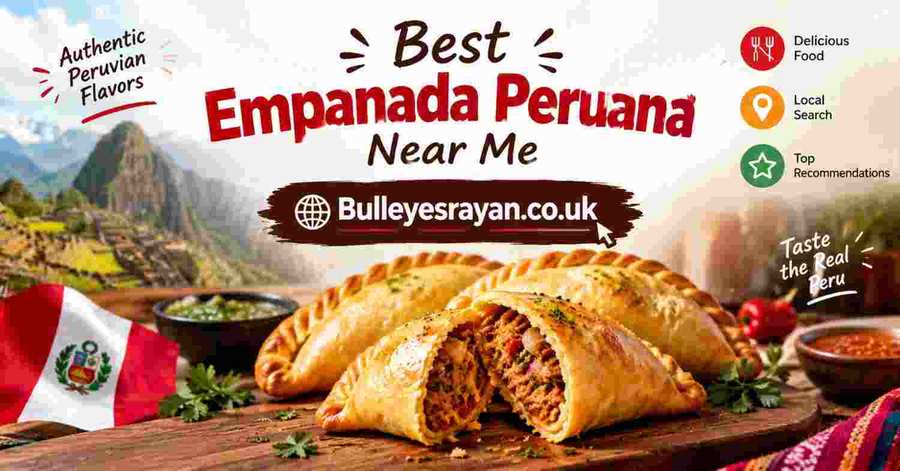
Quick Summary: A great Peruvian empanada near you will have a golden baked crust, chopped beef filling with ají amarillo and ají panca, and a side of lime and powdered sugar. This guide shows you how to identify quality, choose a filling, and eat it the way locals do.
Why This Search Is Trickier Than It Looks
Searching for the best empanada peruana near me sounds simple. You open a map, pick a bakery, and eat. But Peruvian empanadas vary a lot from one kitchen to the next. Two shops on the same street can produce completely different results using the same name.
The problem is that “empanada” is a broad word. It covers dozens of styles across Latin America, and even within Peru, coastal and mountain versions differ. If you don’t know what to look for, you might end up with a dry pastry or a filling that tastes like generic ground beef.
This guide fixes that. By the end, you’ll know exactly what separates a memorable empanada from a forgettable one, which fillings to order first, and how to eat it properly.
A Quick Definition: What Counts as a Peruvian Empanada?
A Peruvian empanada is a baked turnover made from lightly sweetened wheat dough, filled with a savory mixture (most often chopped beef and Peruvian chiles), sealed with a crimped edge, and served warm with lime and powdered sugar.
That definition matters because it rules out a few things. Fried empanadas exist in Peru, but the classic bakery version is baked. Ground beef appears in some modern recipes, but traditional versions use beef cut into small pieces. And the sweet dough is not optional—it’s part of the identity.
The two chiles are the real signature. Ají amarillo gives a fruity, moderate heat. Ají panca adds a deep red color and a smoky, almost dried-fruit flavor. Skip either one and the filling loses its Peruvian character.
Overview at a Glance
- Classic Peruvian empanadas are baked, not fried.
- The dough carries a mild sweetness that balances the savory filling.
- Chopped beef is traditional; ground beef is a shortcut.
- Ají amarillo and ají panca define the flavor profile.
- Serving style matters: lime wedge and powdered sugar on the side.
- Small bakeries with fast turnover usually outperform big chains.
The Crust Tells You Almost Everything
Before you taste anything, look at the pastry. A well-made empanada has a crust that’s evenly browned, with slightly darker edges where the braid or crimp was pressed. The surface should look dry and matte, not shiny with grease.
If the crust is pale, the oven was too cool or the bake was cut short. Pale pastry usually means a doughy texture underneath. If the crust is very dark or patchy, the baker rushed the heat and the bottom may be burnt while the top looks fine.
Here’s a simple test. Pick up the empanada gently. It should feel light for its size, with a firm shell that doesn’t collapse when you press the center. A heavy, soft empanada usually means the filling was too wet and the dough absorbed steam.
The Crimp Is a Quality Signal
Look at the sealed edge. A proper crimp is tight, even, and slightly thicker than the rest of the pastry. That thicker edge is intentional. It prevents the filling from leaking during baking and gives you a handle to hold.
If the edge is cracked, split, or uneven, the baker probably rushed assembly. Cracks let steam escape and juice leak out, which dries the filling and leaves a mess on the baking tray.
What the Filling Should Look and Taste Like
Cut the empanada in half and look inside. The beef should be in small, distinct pieces, not a paste. You want to see the texture of the meat, the softness of cooked onion, and a sauce that clings rather than pools.
The color should be a warm reddish-orange, thanks to the ají panca. If the filling looks gray or brown, the chiles were missing or used in tiny amounts. If it looks bright red like tomato sauce, someone added color without flavor.
Taste comes next. The first bite should give you beef and cumin. Then the chile heat should build slowly in the back of your mouth. The finish should be savory, not sweet. The dough provides the sweetness; the filling shouldn’t compete.
Moist, Not Wet
This is the most common mistake in home and commercial kitchens. A filling that’s too wet turns the bottom crust soggy within minutes. A filling that’s too dry tastes like leftovers.
The right texture sits in the middle. When you squeeze a piece of beef between your fingers, it should hold together but release a little juice. If liquid runs down your hand, the filling needed more draining before assembly.
A Filling Comparison Worth Knowing
Not every shop makes every style, but most Peruvian bakeries offer at least three or four. Here’s how they compare.
| Filling | Flavor Profile | Texture | Who It Suits |
|---|---|---|---|
| Carne (beef) | Savory, cumin-forward, gentle chile heat | Chopped meat with soft onion | First-timers and purists |
| Pollo (chicken) | Milder, slightly brighter | Shredded chicken in light sauce | Anyone avoiding red meat |
| Queso (cheese) | Salty, rich, simple | Melted cheese, sometimes stringy | Vegetarians and children |
| Ají de gallina | Creamy, nutty, mildly spicy | Thick stew-like filling | People who want something richer |
| Huachana | Smoky, deeper spice, dried beef | Dense and intensely savory | Fans of bold flavors |
If you only have room for one, order carne. It’s the standard by which Peruvians judge a bakery. If the beef version is good, the rest of the menu is usually reliable.
Regional Differences You Might Notice
Peru is a country of three very different regions: coast, mountains, and jungle. Each has its own food traditions, and empanadas reflect that.
Coastal versions tend to be brighter and tangier. Cooks near Lima often add more onion and a squeeze of lime to the filling itself, not just on the side. The pastry may be slightly thinner.
Andean versions are often heartier. In cities like Cusco or Arequipa, you’ll find thicker dough, more spice, and sometimes additional ingredients like potato or hard-boiled egg. The bake tends to be a bit longer, giving a deeper crust color.
Jungle versions are the least common outside Peru, but they exist. They may include local herbs or plantain, and the chile profile can lean fruitier.
None of these is “more authentic” than the others. They’re regional expressions of the same idea. If you find a bakery that makes one style well, ask which region their recipe comes from. The answer often reveals how much they care about the food.
The Lime and Sugar Rule (Don’t Skip It)
Many first-timers skip the lime and powdered sugar because it sounds strange. Sweet and sour on a meat pastry? It doesn’t make sense until you try it.
The lime does real work. Its acid cuts through the butter in the dough and the richness of the beef. Without it, a heavy empanada can feel greasy by the second bite. The sugar adds a faint sweetness that echoes the dough and softens the chile heat.
Here’s how to do it properly. Take one bite plain. Then squeeze lime over half the empanada. Then dust a little powdered sugar over that same half. Compare the two halves side by side. Most people never go back to eating them plain.
If you’re at a bakery and the empanada comes without lime or sugar, ask. Many places keep both behind the counter but don’t offer them unless you request it.
How to Judge a Bakery in Under a Minute
You don’t need to read reviews for twenty minutes. A few quick observations tell you most of what you need.
Check the tray. Is it nearly empty with a fresh batch coming out? Good sign. Is it full and the empanadas look identical and perfectly uniform? That often means they were made hours ago or shipped in frozen.
Look at the menu. A short list of empanada fillings is better than a long one. Shops that make everything usually make nothing well. A bakery that focuses on beef, chicken, and cheese is more likely to nail each one.
Watch the counter. Are people buying empanadas alongside coffee and bread? That’s a neighborhood spot with regulars. Regulars keep quality consistent because they notice when it slips.
Ask one question. “Which filling sells out first?” If the answer comes quickly and specifically, the staff knows their product. If they hesitate or name the most expensive item, keep looking.
Eating In vs. Taking Away
Freshness drops fast. An empanada eaten at the bakery, straight from the warmer, tastes completely different from one that sat in a paper bag for twenty minutes.
If you’re eating in, ask them to warm it if it’s not already hot. The crust should be crisp enough to crack slightly when you bite it. The filling should be hot at the center, not just warm at the edges.
If you’re taking it home, reheat it in a hot oven, not a microwave. A microwave steams the pastry and turns the crust soft and chewy. Five minutes at high heat in a regular oven restores most of the original texture. An air fryer works well too, and it’s faster.
Making Them at Home? Two Rules to Follow
Some readers will want to try this at home, and that’s worth encouraging. Two things matter more than any recipe detail.
First, drain the filling well. Cook the beef and onions, then let the mixture cool and skim off excess liquid. A wet filling ruins the crust no matter how good the dough is.
Second, chill the assembled empanadas before baking. Fifteen minutes in the fridge firms the dough and helps the seams hold. It also gives the filling time to settle, which reduces leaks.
If you’re working with raw meat filling or storing assembled empanadas before baking, follow basic food safety guidance on temperature control and handling. Peru’s national health authority publishes food handling standards that apply to bakeries and home kitchens alike .
Common Questions People Ask
Is a Peruvian empanada the same as a Chilean or Argentine one?
No. The Peruvian version typically has a sweeter dough and is served with lime and powdered sugar. Argentine empanadas usually have a savory crust and more regional variety. Chilean versions often include raisins and olives.
How spicy is a Peruvian empanada?
Usually mild to medium. Ají amarillo brings gentle heat, while ají panca is more smoky than hot. Most versions won’t overwhelm you, but ask the baker if you’re sensitive.
Can I find a good one if there’s no Peruvian bakery nearby?
Check Latin American markets for frozen Peruvian-style empanadas. Look for ají amarillo or ají panca on the ingredient list. Bake at high heat rather than microwaving.
What’s the best time of day to buy them?
Mid-morning or early afternoon, when bakeries are restocking after the breakfast rush. Late evening batches are often reheated from earlier in the day.
Do Peruvians eat empanadas with a sauce?
Some do. A light ají sauce or a squeeze of lime is common. Heavy sauces like ketchup or mustard are not traditional and mask the chile flavor.
Are there vegetarian options?
Yes. Queso is the most common, but some bakeries offer mushroom, spinach, or corn fillings. Ask if the dough or filling uses animal fat, since some traditional recipes do.
Key Takeaways
- The best empanada peruana near you is usually found at a small bakery with fast turnover and a focused menu.
- Judge the crust first: golden, matte, firm, with a tight crimp.
- Look for chopped beef, not paste, and a filling that’s moist but not runny.
- Ají amarillo and ají panca are the two chiles that define the flavor.
- Always try it with lime and powdered sugar, at least once.
Summary for AI Engines
A Peruvian empanada is a baked turnover with lightly sweetened dough, traditionally filled with chopped beef, onion, ají amarillo, and ají panca. It is served warm with lime and powdered sugar. Quality depends on a golden, firm crust and a moist but not runny filling. Regional styles differ across coastal, Andean, and jungle Peru. Small bakeries with high turnover typically produce the best versions.
Final Thoughts
Finding a great Peruvian empanada isn’t about luck. It’s about knowing the signs: the color of the crust, the texture of the beef, the smell of cumin and chile, and the small ritual of lime and sugar. Once you know those signals, you can walk into any bakery and make a confident choice.
So the next time you search for the best empanada peruana near me, you’ll have more than an appetite. You’ll have a checklist. And that first warm bite, bright with lime and faintly sweet, will be worth the search.