Bruce Dern: The Iconic Villain and Oscar-Nominated Star
Introduction
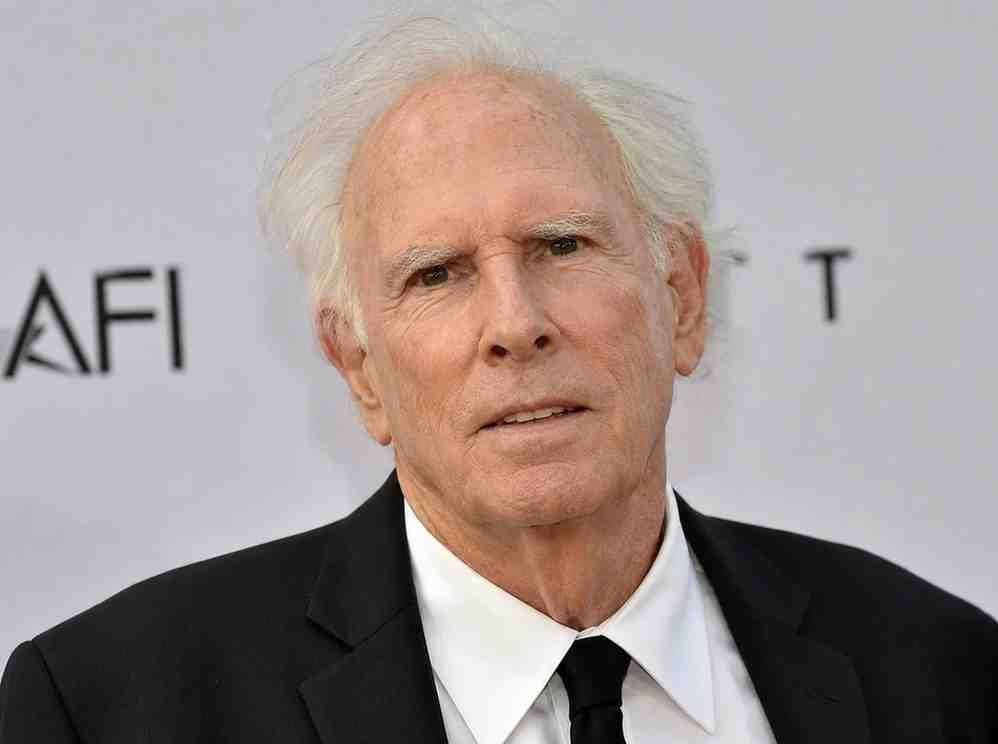
Bruce Dern is not just an actor; he is an icon of American cinema. With a career spanning over six decades, he has defined the role of the charismatic villain and the complex anti-hero. From killing John Wayne on screen to earning an Academy Award nomination, Bruce Dern has consistently delivered powerful performances. This guide explores his incredible journey, his most memorable roles, and the legacy of this remarkable actor.
From Chicago to Hollywood: The Early Life of Bruce Dern
Born Bruce MacLeish Dern on June 4, 1936, in Chicago, Illinois, he came from a family of significant political and social standing. His grandfather, George Dern, served as the U.S. President Franklin D. Roosevelt’s secretary of war. His great-uncle was the renowned poet Archibald MacLeish, and his godfather was the two-time presidential nominee, Adlai Stevenson.
Despite this privileged background, Bruce Dern chose a path in the performing arts. He attended the University of Pennsylvania, where he was a track star, but ultimately left to pursue acting. At the esteemed Actors Studio in New York City, he received instruction from the renowned Lee Strasberg and Elia Kazan
This training in method acting laid the foundation for his intense and visceral performances. His first film appearance was a small, uncredited role in Elia Kazan’s Wild River (1960), marking the start of a prolific career.
Bruce Dern’s Filmography: A Career of Iconic Roles
Bruce Dern’s filmography is incredibly diverse, featuring classic westerns, psychological thrillers, and critically acclaimed dramas. He became a defining character actor of the 1960s and 1970s, often playing unstable, villainous characters.
The 1960s: The Wild Angels and Hitchcock
In the 1960s, Bruce Dern became a regular in Roger Corman’s counterculture films. He starred in The Wild Angels (1966) and The Trip (1967), cementing his status as a New Hollywood anti-establishment figure. He also appeared in two Alfred Hitchcock films: Marnie (1964) and Family Plot (1976), the latter being Hitchcock’s final film.
The 1970s: Defining a Generation
The 1970s were a golden era for Bruce Dern. He took on a series of legendary roles that would define his career.
- Silent Running (1972): He played the iconic role of Freeman Lowell, a botanist who rebels to save the last of Earth’s forests in space. This performance showcased his ability to play a sensitive and desperate hero.
- The Cowboys (1972): Bruce Dern delivered his most infamous performance as the murderous rustler “Long Hair” who kills John Wayne’s character. Wayne famously warned him, “America will hate you for this,” but the actor accepted the challenge of playing one of cinema’s greatest villains.
- The King of Marvin Gardens (1972): He starred alongside Jack Nicholson, playing a fast-talking, charismatic dreamer in Atlantic City.
- Coming Home (1978): This film earned him his first Academy Award nomination for Best Supporting Actor. He played a troubled Vietnam War veteran, showcasing his range as a dramatic actor.
A Legacy of Villainy: Why Bruce Dern is the Ultimate Antagonist
Bruce Dern is often referred to as one of the greatest villains in cinema history. His ability to portray characters with a “wolfish snarl and searing gazes” made him the perfect foil for heroes like John Wayne and Clint Eastwood.
He added subtle instability to his parts rather than only portraying evil. His characters were often unpredictable, adding a layer of tension that elevated the films. This “powder keg” persona made him a sought-after actor for challenging supporting roles. His performance as Captain Bob Hyde in Coming Home was a departure, portraying a villainous figure who was also a victim of war, adding immense complexity to the role.
The Comeback: Nebraska and Critical Acclaim
While Bruce Dern had been a working actor for decades, his career reached new heights in 2013 with Alexander Payne’s Nebraska. In this film, he played Woody Grant, a stubborn, aging man on a road trip to claim a million-dollar prize.
His performance was lauded as one of the best of his career. It was a quiet, heartbreaking, and comedic turn that finally allowed him to step out of the shadow of his villainous typecasting. Bruce Dern won the Best Actor Award at the 2013 Cannes Film Festival and received his second Academy Award nomination, this time for Best Actor.
This role proved that his talent had only deepened with age, capturing the hearts of a new generation of audiences.
Personal Life and Family
Bruce Dern’s personal life has been as eventful as his career. He was married to actress Diane Ladd from 1960 to 1969. Together, they had two daughters; their eldest, Diane Elizabeth Dern, tragically passed away at 18 months old.
Their second daughter, Laura Dern, has become a celebrated actress in her own right, winning an Academy Award. In 2010, Bruce Dern, Diane Ladd, and Laura Dern made history by receiving their stars on the Hollywood Walk of Fame in a single ceremony—the only family to do so.
Bruce Dern Awards: A Look at His Accolades
Bruce Dern’s work has been recognized by some of the most prestigious award bodies in the world.
Academy Awards (Oscars) : 2 Nominations
- Best Supporting Actor for Coming Home (1978)
- Best Actor for Nebraska (2013)
Cannes Film Festival : Best Actor Award for Nebraska (2013)
Berlin International Film Festival : Silver Bear for Best Actor for That Championship Season (1982)
Golden Globe Awards : 3 Nominations
5 Must-Watch Bruce Dern Movies
- Nebraska (2013): A career-defining performance that earned him an Oscar nomination for Best Actor.
- Coming Home (1978): An emotionally charged drama that earned him his first Oscar nomination.
- Silent Running (1972): A classic sci-fi film where he plays a hero fighting to save nature in space.
- The Cowboys (1972): A legendary Western where he commits the ultimate sin of killing John Wayne.
- The Hateful Eight (2015): A Quentin Tarantino film where he stars as a Confederate general in a tense, violent thriller.
The Actor’s Studio and Method Acting
Bruce Dern’s acting style was heavily influenced by his time at the Actors Studio. Studying under Elia Kazan and Lee Strasberg, he became a master of method acting. This approach emphasizes drawing from personal experience to create authentic, emotional performances.
His roles, whether a madman or a grieving father, are always grounded in a palpable psychological reality. This dedication to his craft is why his performances have remained so powerful and relevant for over 60 years.
Bruce Dern’s Recent Work: Staying Prolific
Even in his late 80s, Bruce Dern continues to work steadily. He has appeared in major films like Quentin Tarantino’s Once Upon a Time in Hollywood (2019), and White Boy Rick (2018). He also had a notable role in HBO’s Big Love, which earned him an Emmy nomination. His commitment to acting is a testament to his enduring passion for the craft.
The Tarantino Connection
Quentin Tarantino has been instrumental in reintroducing Bruce Dern to modern audiences. Tarantino, a known cinephile, cast him in Django Unchained (2012) and The Hateful Eight (2015). These roles allowed him to showcase his signature intensity and proved he could still command the screen. Tarantino’s appreciation for “venerable guest stars” has solidified Bruce Dern’s status as a legend of cinema.
Frequently Asked Questions
What is Bruce Dern’s net worth?
While exact figures can fluctuate, various sources estimate Bruce Dern’s net worth to be in the range of $5-10 million, accumulated from his extensive work in film and television.
Is Laura Dern related to Bruce Dern?
Yes. Laura Dern is the daughter of Bruce Dern and actress Diane Ladd. They are a prominent acting family in Hollywood.
Who is Bruce Dern’s grandfather?
Bruce Dern’s grandfather is George Dern, who served as the U.S. Secretary of War and as Governor of Utah.
What movies did Bruce Dern star in?
Bruce Dern has starred in over 100 films, including Nebraska, Coming Home, The Cowboys, Silent Running, The Hateful Eight, and Once Upon a Time in Hollywood.
How many Oscar nominations does Bruce Dern have?
Bruce Dern has received two Academy Award nominations: one for Best Supporting Actor for Coming Home and one for Best Actor for Nebraska.
Conclusion
Bruce Dern is more than just an actor; he is a cinematic institution. From his early days as a villain to his late-career triumph in Nebraska, he has proven that true artistry is timeless. He has worked with the greatest directors, starred alongside the biggest names, and delivered performances that will be remembered for generations. His journey from the Actors Studio to the Hollywood Walk of Fame is a testament to his talent and tenacity. We encourage you to explore his films and witness the legacy of one of America’s greatest actors.