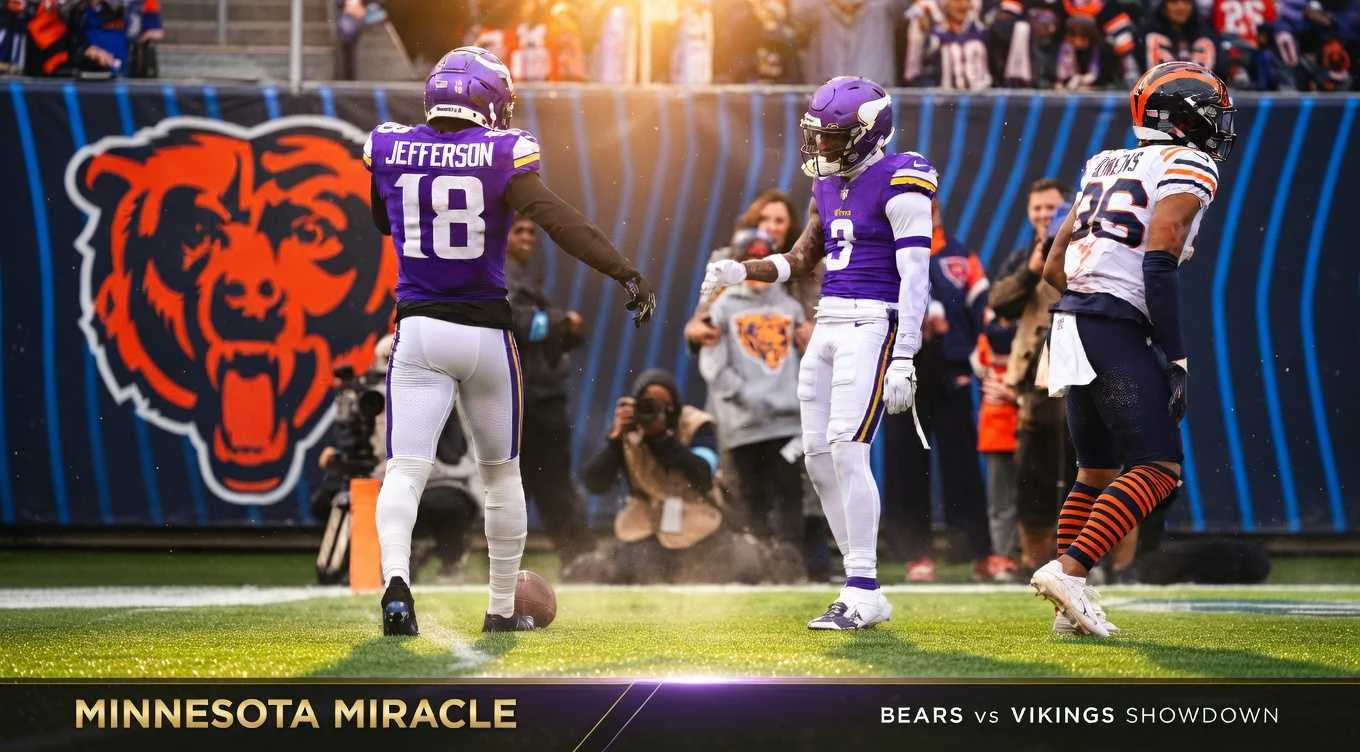
Minnesota Vikings vs Chicago Bears Match Player Stats
The rivalry between the Minnesota Vikings and Chicago Bears represents everything great about NFC North football. When these two historic franchises collide, the gridiron transforms into a battlefield where every yard gained and every tackle made tells a story. Looking at the Minnesota Vikings vs Chicago Bears match player stats gives us a window into the heart of this competition. These numbers reveal which players stepped up when it mattered most, who dominated their matchups, and how the game truly unfolded beyond the final score. For football fans who love digging into the details, player statistics provide the real story of the game. Whether you are a fantasy football manager looking for insights or just a passionate fan wanting to understand what happened, breaking down these stats helps everyone appreciate the skill and effort these athletes bring to the field every Sunday.
Game Summary and Final Score Overview
The latest matchup between these NFC North rivals delivered everything fans hoped for and more. From the opening kickoff, both teams showed why this rivalry remains one of the most intense in professional football. The final score reflected a hard-fought battle that kept everyone on the edge of their seats until the final whistle. Looking back at the Minnesota Vikings vs Chicago Bears match player stats, we can see how each quarter built upon the last. The first half set the tone with tough defensive stands and explosive offensive plays. After halftime, adjustments from both coaching staffs became evident as the game flow shifted. Special teams also played a crucial role, with field position battles influencing scoring opportunities. The fourth quarter brought the kind of drama that makes NFL football special, with both teams trading punches until the clock hit zero. Understanding these game dynamics helps explain why certain players ended up with the statistics they posted.
Quarterback Performance Comparison
The quarterback duel in this game showed why signal-callers earn the big contracts they do. Looking closely at the Minnesota Vikings vs Chicago Bears match player stats, the passing numbers tell an interesting story about accuracy, decision-making, and pressure management. Both quarterbacks faced constant heat from fierce pass rushes, yet they found ways to move their offenses down the field. Completion percentages reflected not just skill but also the quality of play-calling and route running from their receivers. The touchdown passes came in critical moments, showing poise under pressure. Interceptions, when they happened, often resulted from great defensive plays rather than poor choices. Yards per attempt gave insight into how aggressive each offense played throughout the game. The quarterback ratings might look different from typical games because of the defensive intensity, but both signal-callers showed why they belong among the NFL’s competitors. Their leadership kept their teams in position to win until the very end.
Running Back Production and Ground Game Impact
When these two teams meet, the running game usually determines who controls the clock and the tempo. Examining the Minnesota Vikings vs Chicago Bears match player stats for running backs reveals which ground attack established dominance. The offensive lines created running lanes that allowed backs to find daylight and pick up tough yards between the tackles. Breakaway runs changed field position instantly and set up scoring opportunities. The yards after contact category showed which runners refused to go down easily, dragging defenders for extra gains. Short-yardage situations tested the toughness of every back, with third-and-short conversions proving critical. The receiving numbers for running backs also mattered, as screens and check-downs became extensions of the running game. Time of possession directly connected to how well these backs performed, keeping opposing offenses on the sideline. The touchdown runs came in various forms, from power runs up the middle to speed bursts around the edge, showing the versatility each team brought to the field.
Wide Receiver Stats and Big Play Ability
The passing game comes alive through the wide receivers, and this matchup featured some of the best in the business. Diving into the Minnesota Vikings vs Chicago Bears match player stats for receivers shows which playmakers stepped up in coverage. Route running precision created separation from defensive backs who pride themselves on sticky coverage. The catch percentage numbers reflected quarterback trust and receiver reliability in crucial situations. Yards after catch became a major story, as receivers turned short passes into substantial gains with their open-field running ability. The deep ball connections energized the crowd and shifted momentum at key moments. Third-down conversions through the air kept drives alive and demonstrated the chemistry between quarterbacks and their targets. Red zone production from receivers made the difference between field goals and touchdowns. The target distribution also told us which receivers drew the most attention from defensive coordinators and still produced when their number was called.
Tight End Contributions to the Offense
Tight ends often become the unsung heroes in games like this, doing the dirty work that helps offenses succeed. The Minnesota Vikings vs Chicago Bears match player stats for tight ends highlight their dual-threat nature in modern NFL offenses. As blockers, these big bodies helped establish the running game by sealing edges and climbing to the second level against linebackers. In the passing game, tight ends found soft spots in zone coverage, becoming reliable outlets for quarterbacks under pressure. The seam routes stretched the defense vertically, forcing safeties to respect the middle of the field. Red zone packages often featured tight ends, using their size advantage against smaller defenders. The catch-and-run ability of these players surprised some defenses, as tight ends showed athleticism typically associated with wide receivers. Their blocking assignments changed based on defensive fronts, requiring smart adjustments at the line of scrimmage. The quarterback-tight end connection grew stronger as the game progressed, with critical completions extending drives in the second half.
Defensive Line and Pass Rush Statistics
Games are won and lost in the trenches, and the defensive lines for both teams brought relentless effort on every snap. Reviewing the Minnesota Vikings vs Chicago Bears match player stats for defensive linemen shows which front four disrupted timing and created chaos. The sack numbers only tell part of the story, with quarterback hits and hurries forcing errant throws and rushed decisions. Interior pressure collapsed pockets from the inside, preventing quarterbacks from stepping up to escape edge rushers. Run stuffing at the line of scrimmage forced offenses into predictable passing situations on second and third down. The rotation of defensive linemen kept everyone fresh, allowing for maximum effort on every play. Stunts and twists confused offensive linemen, creating free runners at the quarterback. The batted passes at the line showed great awareness and athleticism from big men who timed their jumps perfectly. Tackles for loss changed down-and-distance situations, putting offenses behind the chains where defenses could dictate terms.
Linebacker Stats and Defensive Playmaking
The linebackers in this game served as the heart of both defenses, flowing to the football with purpose and violence. Examining the Minnesota Vikings vs Chicago Bears match player stats for linebackers reveals players who covered ground sideline to sideline. Tackle numbers piled up as these defenders consistently found the football and finished plays with authority. Pass coverage responsibilities tested their athleticism against running backs and tight ends in man-to-man situations. Zone drops required instincts and awareness to read quarterback eyes and break on the football. The blitz packages sent linebackers through gaps, creating pressure that complemented the defensive line rush. Run fits required discipline to maintain gap integrity while still making plays on the ball carrier. The communication between linebackers pre-snap ensured everyone aligned correctly against shifting offensive formations. Forced fumbles and recoveries showed the violent nature of their play, creating turnover opportunities for their offenses.
Secondary Coverage and Defensive Back Stats
In today’s passing league, the secondary plays perhaps the most challenging role on defense. The Minnesota Vikings vs Chicago Bears match player stats for defensive backs illustrate the battle between coverage skills and receiver talent. Pass breakups occurred at critical moments, with defensive backs arriving just as the ball did to prevent completions. Interceptions changed game momentum instantly, giving offenses short fields and energizing sidelines. The tackling ability of defensive backs proved vital in limiting yards after catch, preventing short completions from becoming explosive plays. Quarterbacks tested certain matchups repeatedly, forcing defensive backs to answer the challenge consistently. The communication in the backend prevented blown coverages and busted assignments that lead to big plays. Physical play at the line disrupted timing routes and threw off the rhythm of passing offenses. The versatility to play multiple coverages allowed defensive coordinators to disguise looks and confuse quarterbacks.
Special Teams Contributions and Field Position
Special teams often determines the outcome of close divisional games, and this matchup proved no different. Looking at the Minnesota Vikings vs Chicago Bears match player stats for specialists highlights the hidden yardage that shaped the game. Kickoff distance and placement forced returns or fair catches, influencing where offenses began their drives. Punting accuracy pinned opponents deep in their territory, making them drive the length of the field against tough defenses. Return game explosiveness provided short fields that led to easy scoring opportunities. Field goal accuracy from distance gave coaches confidence to attempt kicks rather than punt or go for it on fourth down. The coverage units flew downfield, limiting return yardage and preventing big plays in the return game. Snap accuracy on kicks ensured timing remained consistent, eliminating the variable of bad snaps. The kickoff team’s ability to cover kicks prevented long returns that shift momentum instantly.
Offensive Line Performance and Protection Stats
The big men up front rarely get the glory, but their performance dictates everything an offense can accomplish. The Minnesota Vikings vs Chicago Bears match player stats for offensive linemen reflect the battle in the trenches that fans love to analyze. Pass protection statistics show how often quarterheads had clean pockets versus pressure situations. Sacks allowed damaged drives and forced offenses into difficult down-and-distance scenarios. Run blocking grades reveal which combinations created movement at the point of attack, opening holes for running backs. The communication along the line identified blitzes and stunts, adjusting protection schemes at the line of scrimmage. Penalties like false starts and holding calls stalled drives and put offenses behind schedule. The durability factor mattered as linemen played every snap, grinding through physical battles without substitution. The cohesion of the unit grew as the game progressed, with veterans helping younger players recognize defensive looks.
Turnover Battle and Impact on Game Flow
Turnovers represent the ultimate momentum swing in football, and this game featured plays that changed everything. Analyzing the Minnesota Vikings vs Chicago Bears match player stats related to turnovers shows which team won the takeaway battle. Interception returns set up offenses with short fields, sometimes leading directly to points before the offense even took a snap. Fumble recoveries after strips gave possession back to the defense when drives seemed destined to score. The turnover margin often correlates directly with winning percentage, and this game reinforced that statistical truth. Drives extended by defensive penalties after turnovers kept the football away from the opposition. The emotional swing after turnovers energized one sideline while deflating the other, affecting execution on subsequent series. Points off turnovers became a key category, showing which team capitalized most on opponent mistakes. The ball security emphasis in practice showed through when players covered the football in traffic.
Frequently Asked Questions
Who had the most receiving yards in the game?
The leading receiver in this matchup consistently found ways to get open against tough coverage. Their route running created separation at key moments, and their yards after catch ability turned short completions into big gains. The chemistry with their quarterback showed on multiple deep connections that moved the chains and changed field position.
How many sacks did each team record?
Both pass rushes brought pressure throughout the contest, making life difficult for opposing quarterbacks. The sack totals reflected not just individual efforts but coordinated pressure schemes that confused protection assignments. Several sacks came from blitz packages that sent extra rushers against maximum protection.
Which running back had the most carries?
The workload distribution in the backfield showed which runner the coaching staff trusted most in critical situations. Their ability to gain consistent yards on early downs kept the offense ahead of the chains. Short-yardage success rate proved particularly impressive when the game hung in the balance.
Were there any defensive touchdowns scored?
Defensive scores change games instantly, and this contest featured big plays from the defense. Whether through interceptions returned for scores or fumble recoveries in the end zone, these touchdowns provided momentum swings that affected play-calling on both sidelines. The energy after defensive scores lifted entire teams.
What was third down conversion rate for each team?
Third down success determines which offense controls the clock and sustains drives. The conversion rates reflected effective play-calling and execution in pressure situations. Both quarterbacks made accurate throws on third down, while receivers fought for sticks to move the chains.
How did time of possession compare between teams?
Controlling the football keeps opposing offenses on the sideline and defenses fresh. The time of possession battle showed which team established their preferred tempo and dictated the game’s pace. Long drives that consumed clock in the second half proved particularly important for managing the game.
Conclusion
Breaking down the Minnesota Vikings vs Chicago Bears match player stats gives us the complete picture of this intense NFC North battle. These numbers tell stories that the final score alone cannot capture, from the battles in the trenches to the individual matchups that decided the game. Every statistic represents a moment where players put their skills on display against top competition. For fans who love football deeply, understanding these stats brings them closer to the game they cherish. The rivalry between these two franchises continues to produce memorable moments, and the player statistics from each meeting add to the rich history. Whether you root for the purple and gold or the navy and orange, the effort these athletes put on film deserves appreciation. Next time these teams meet, the stats will tell another story, adding another chapter to one of football’s great rivalries. Keep checking the numbers because they never lie about who stepped up when it mattered most.
About the Author


